What to See in Marseille?
The City's Essential Sights
Wondering what to see in Marseille? This vibrant port city in southern France packs an impressive density of must-see places into a walkable centre: the Old Port and its quays, the Panier district and its lanes, the iconic basilica Notre-Dame de la Garde watching over the Mediterranean Sea, the MuCEM, and the Calanques right on the doorstep. Between ancient history, Provence sunshine and French Riviera energy, Marseille is a town you explore on foot, one neighbourhood at a time. There is a lot to discover here, and to enjoy the heart of Marseille at its best, the Amista, a charming hotel a few steps from the harbour, is the perfect base for all your visits.
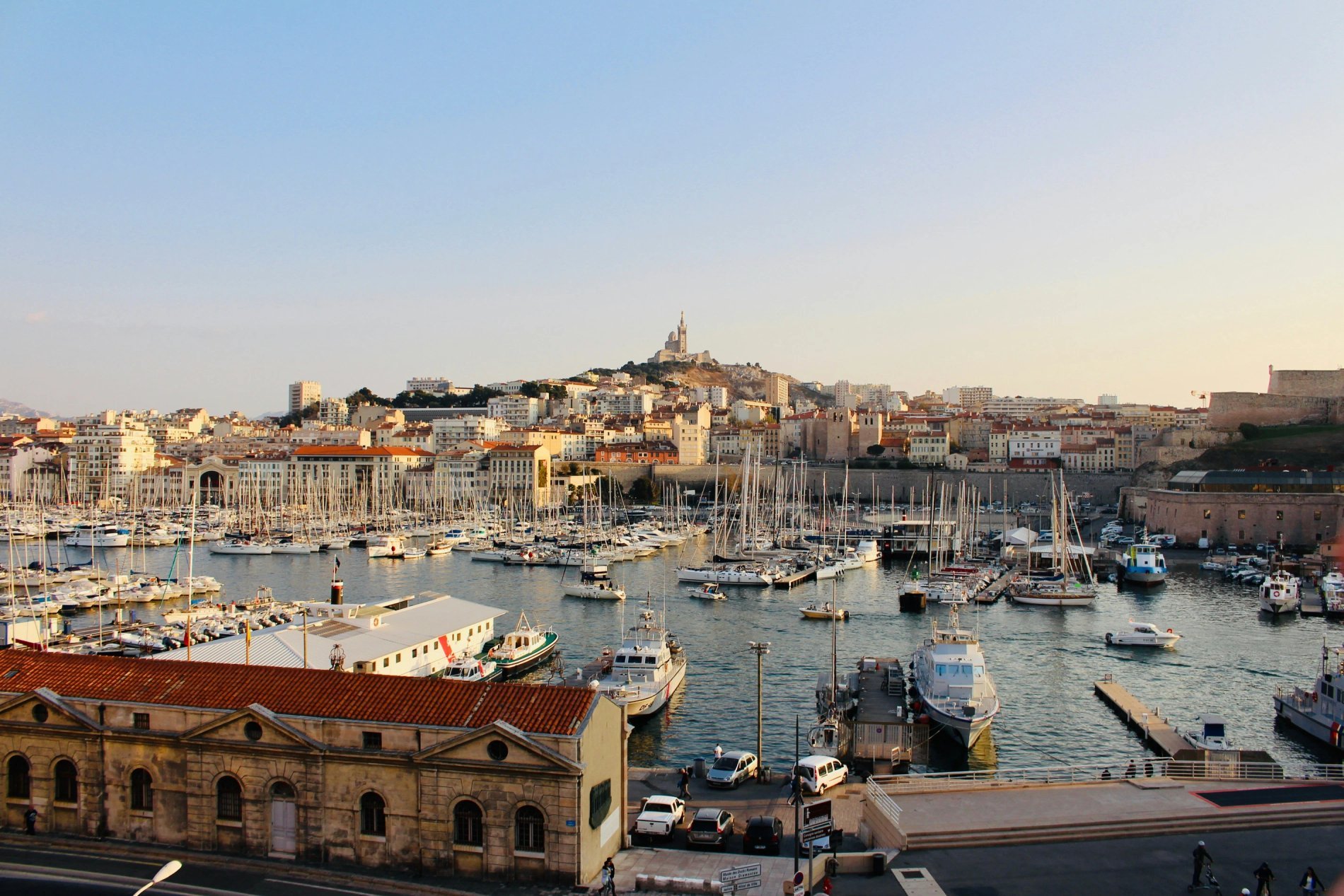
The Vieux-Port and Historic Heart: Where to Start?
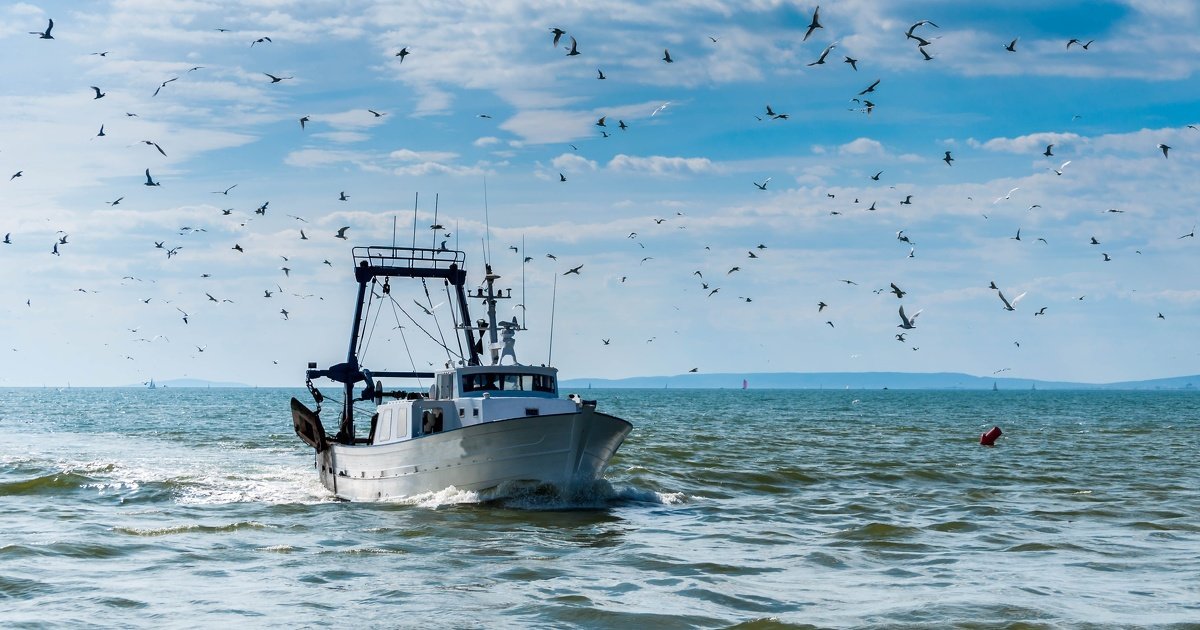
Explore the Old Port first, the natural starting point of any tour and the first thing to see. The harbour has shaped the identity of Marseille over the centuries. Come early to watch the vessels and the fishermen, linger under Norman Foster's mirrored Ombrière, then let the historic streets unfold their monuments and old town, best explored on foot with a map in your pocket.
What to see around the Vieux-Port?
- Norman Foster's Ombrière: this steel mirror plays with reflections on the quay, a favourite photo spot shared across Instagram.
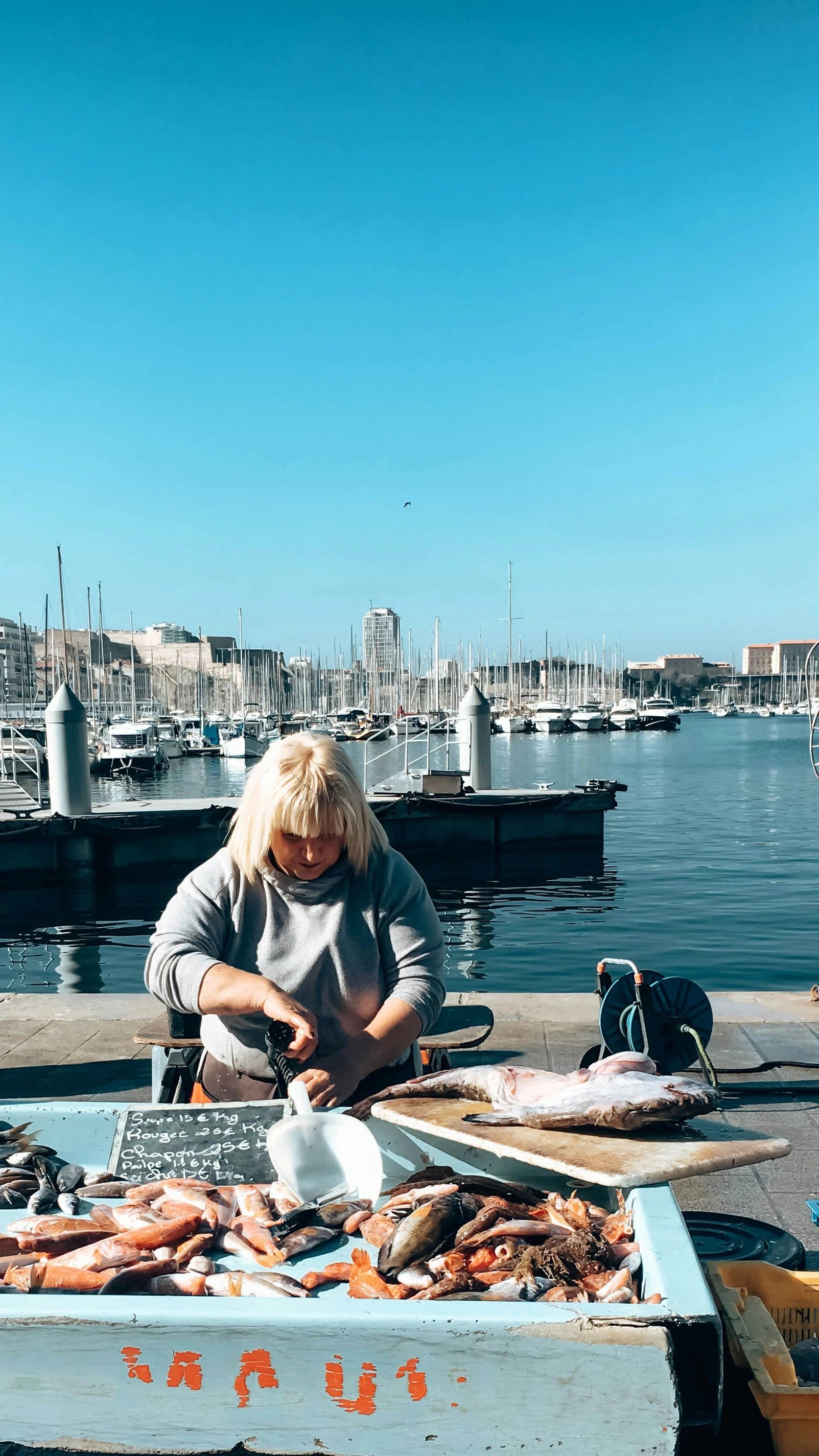
- The fish market on the Quai des Belges: every morning, fishermen sell the daily catch, a tradition that goes back centuries.
- The ferry boat: the little shuttle dear to locals links the two sides of the harbour in a few minutes.
- La Canebière: the legendary avenue connecting the quay to the boulevards, lined with 19th-century facades.
- Fort Saint-Jean and the Palais de la Bourse: two landmarks guarding the maritime memory of the town.
Why wander through Le Panier district?
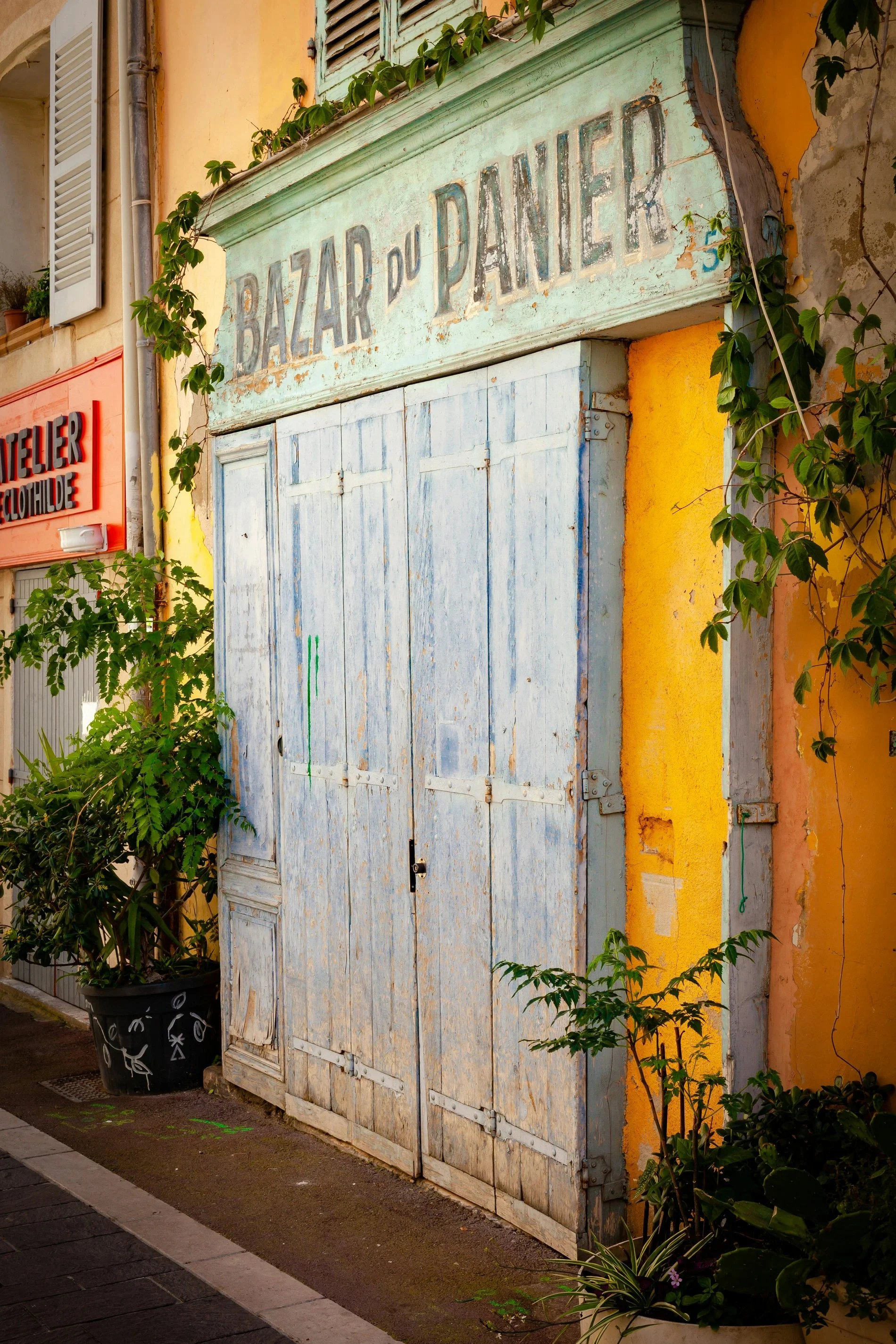
A few minutes away, Le Panier deserves a long stop. The oldest neighborhood in Marseille, this maze of colourful lanes has a lively atmosphere best enjoyed with no plan at all, between hanging laundry, flowered stairways and shady little squares.
- La Vieille Charité: a 17th-century almshouse turned cultural center, with a baroque chapel and museums.
- Artisan studios: ceramicists, soap makers and designers have taken over the lanes of Le Panier.
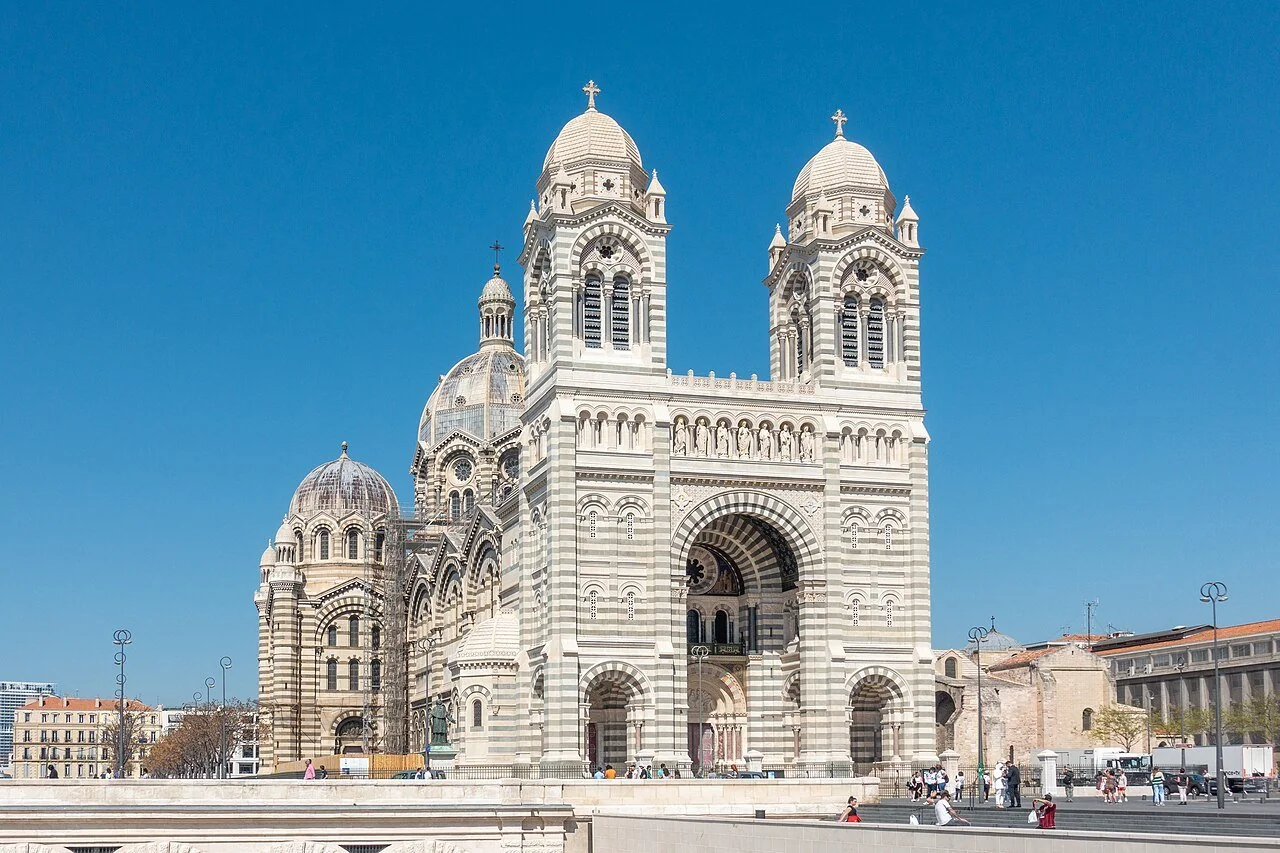
- The Major Cathedral: a striped silhouette marking the edge of the Joliette quarter.
- The Noailles market: nearby, it perfumes the streets with spices and North African influence from dawn.
Which monuments tell Marseille's history?
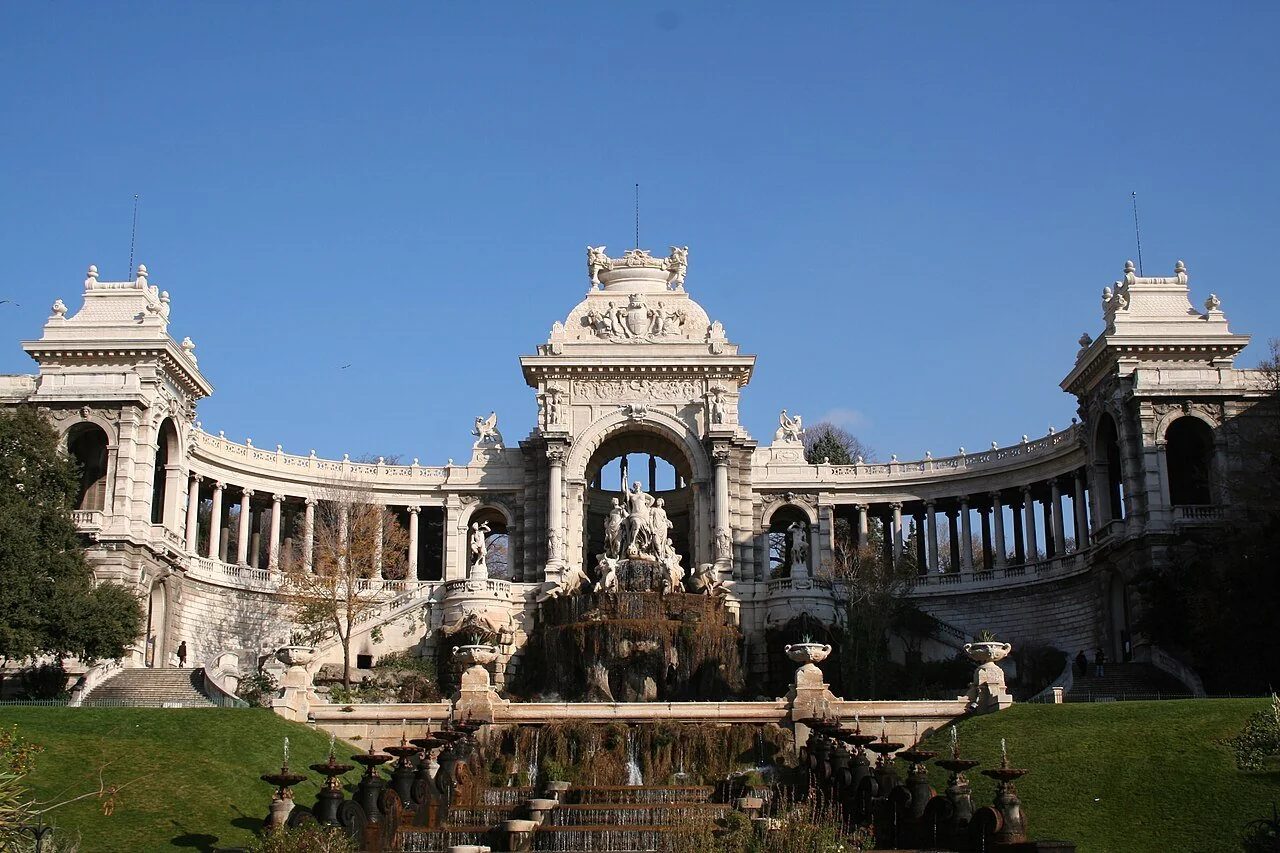
To understand the history of Marseille, a few sites are essential. The History Museum gathers, beneath the remains of the ancient Greek town, twenty-six centuries of stories since the founding of Massalia. Close by, the Palais Longchamp, an architectural masterpiece built in the 19th century to celebrate the arrival of the Durance, unfolds its colonnade, fountains and gardens, with stunning architecture and one of the loveliest green spaces around. A guided tour with the tourist office links these local attractions in a couple of hours and brings their stories to life.
And in the evening, what to do near the harbour?
When night falls, the quays and their surroundings change mood and invite you to linger.
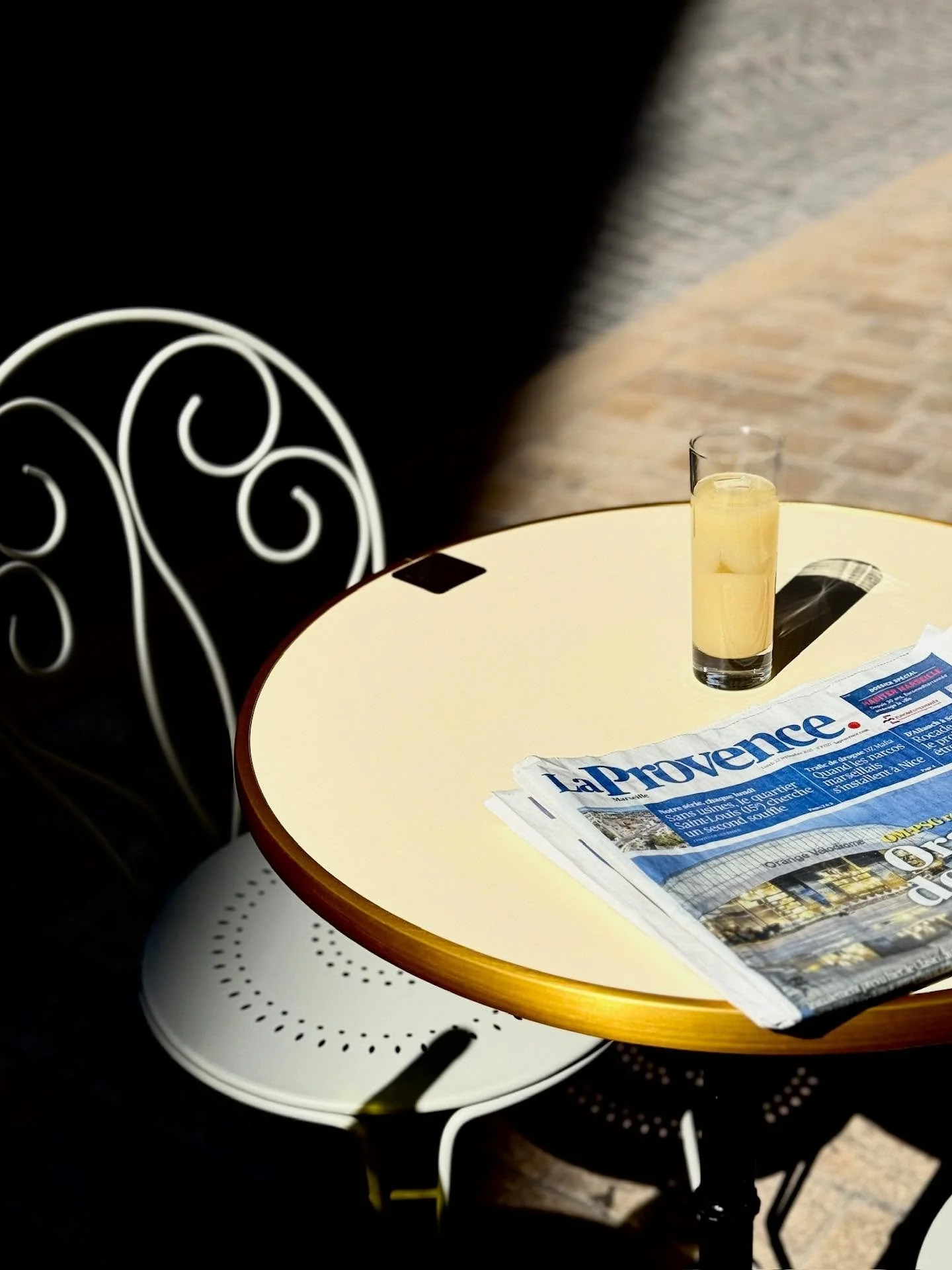
- A drink by the water: the quayside terraces come alive at pastis hour, facing the lit-up masts.
- The bars of Cours Julien: a bohemian scene, live music and hidden addresses for night owls.
- A rooftop with sea views: several roofs offer a panorama over the bay at sunset.
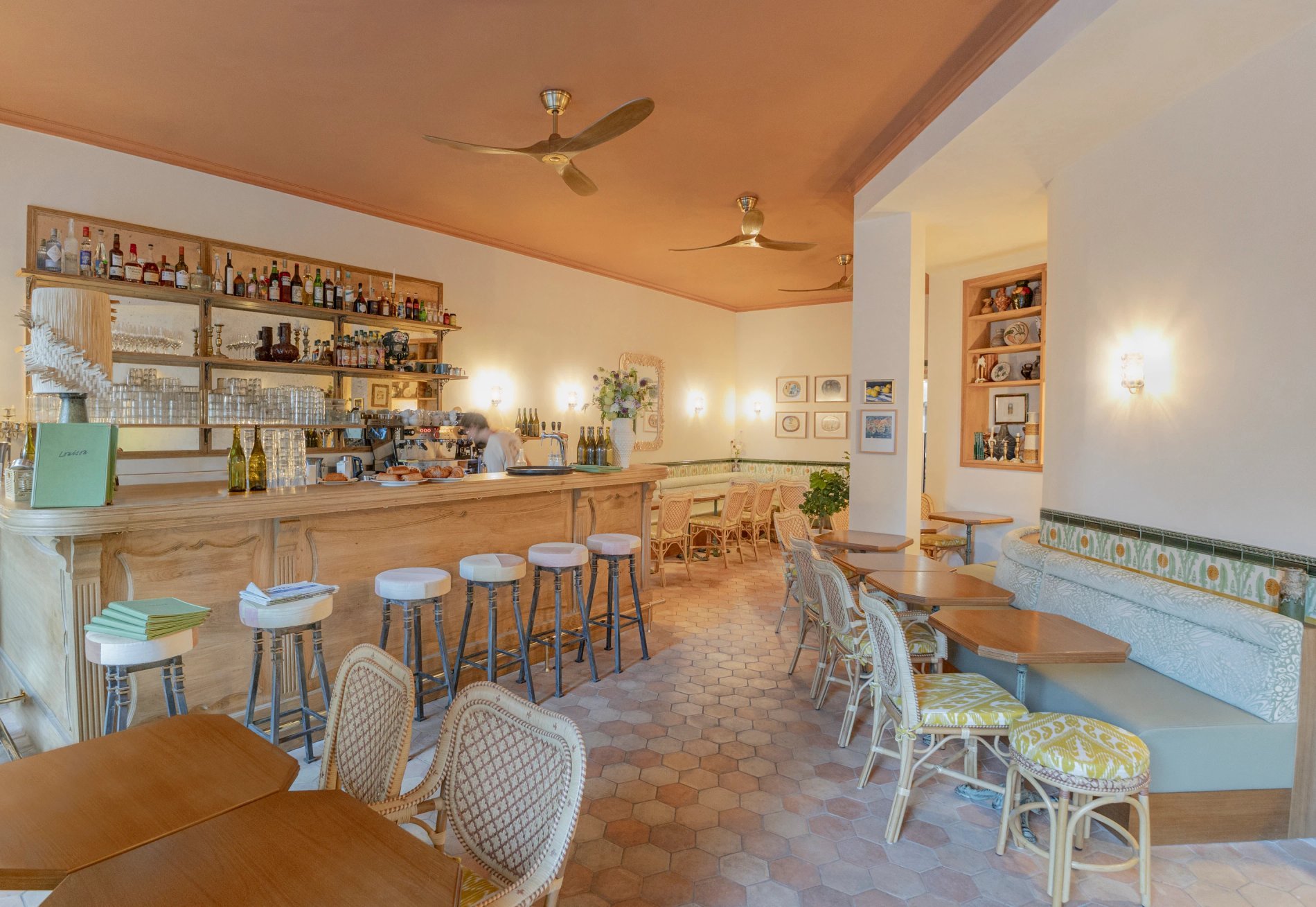
- A drink at Louison: the Amista's bar extends the evening over a cocktail or a Provence wine, steps from the quay.
- A night stroll: the climb to the floodlit Bonne Mère and the quiet quays make a memorable walk.
Must-See Sights in Marseille
Marseille has no shortage of places to see at least once. Among the best things to do in Marseille, you can mix the hilltop basilica, the seaside museums and the creative neighborhoods to build an itinerary to your taste. Exploring Marseille rewards every kind of traveller.
Should you climb up to Notre-Dame de la Garde?
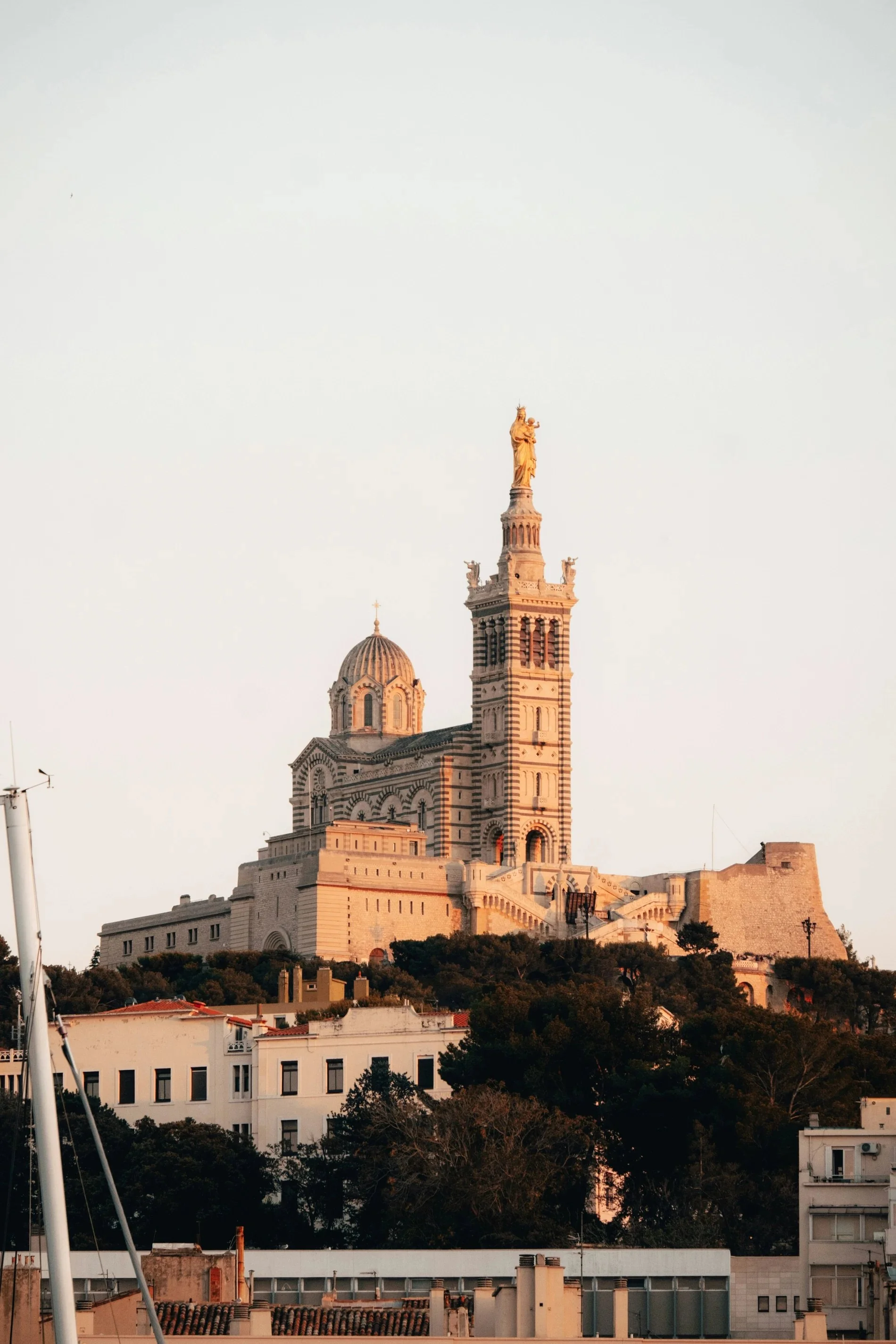
Yes, without hesitation. One of the free things to do in town is to walk up and visit the Basilique Notre-Dame, known to locals as the Bonne Mère. Built in the 19th century at the highest point of Marseille, it offers panoramic views of the city, the sea, the islands and the calanques in the distance.
- How to get up? On foot for the energetic, by tourist train or by bus to save your legs.
- Best time? Late afternoon, when the light turns the facades golden.
- Don't miss: the 360-degree panorama from the forecourt, considered the finest around.
Which museums to visit in Marseille?
For culture, two neighbouring sites hold the essentials and can be seen in the same half-day, facing the open sea.
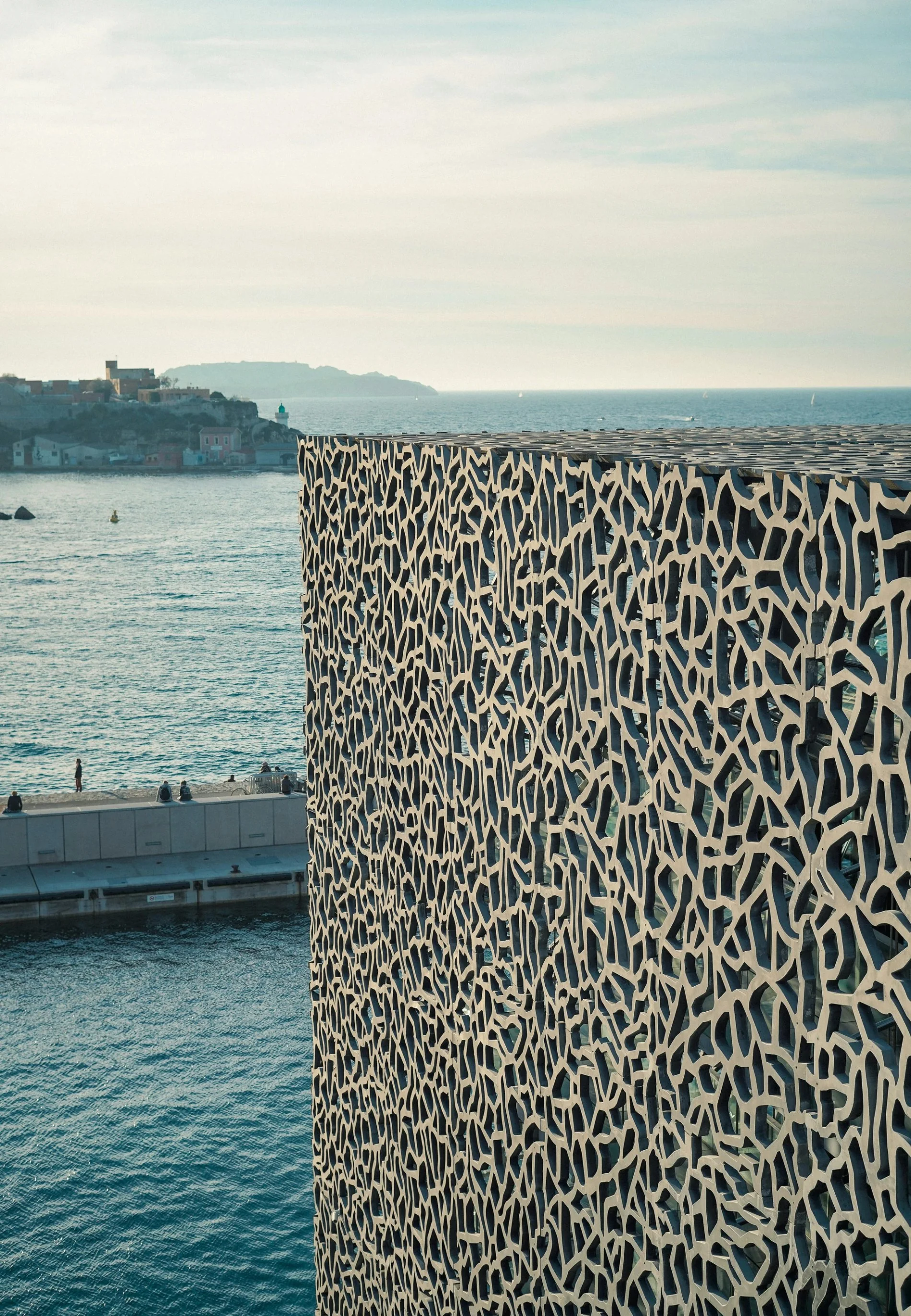
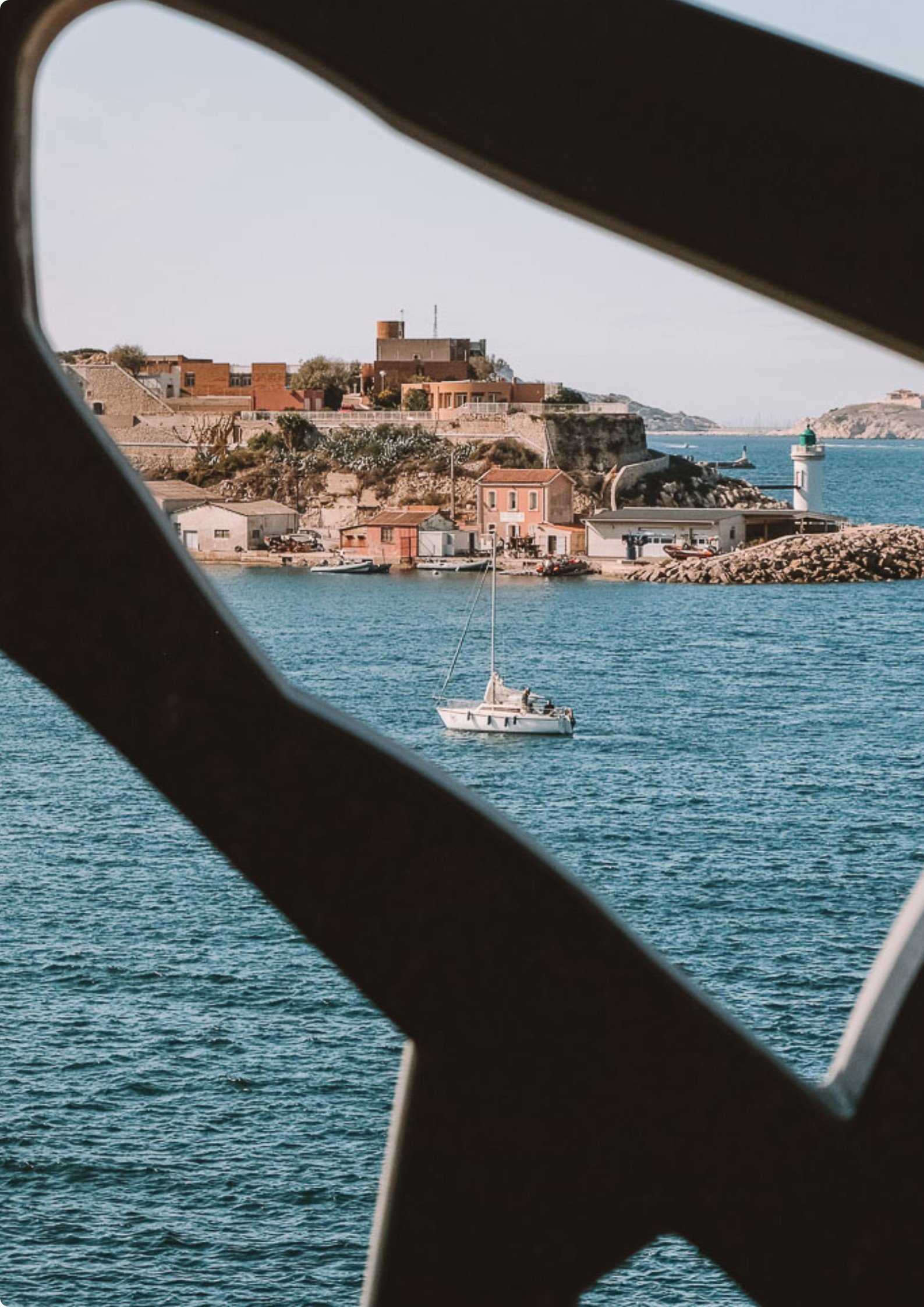
- The MuCEM: the museum of European and Mediterranean civilisations and a must-see cultural landmark, linked to Fort Saint-Jean by a footbridge. Its concrete lattice by Rudy Ricciotti, a piece of stunning architecture, has become an iconic image of the city. During your stay at the Amista, reserve your tickets directly at our reception for preferential conditions.
- The Grotte Cosquer: housed in the Villa Méditerranée, this faithful replica of the decorated underwater cave, brought to light by diver Henri Cosquer at Cap Morgiou, displays prehistoric paintings nearly 30,000 years old. This archaeological treasure has already drawn hundreds of thousands of visitors.
- La Vieille Charité: for its archaeology and art collections, in a rare baroque setting.
Where to see another side of the city?
Lovers of heritage will continue to the abbey of Saint-Victor, one of the oldest places of worship in France, whose 5th-century crypt watches over its quarter. For a younger, more colourful mood, head to Cours Julien. Architecture fans should also see the Cité Radieuse, Le Corbusier's modernist landmark.
- The abbey of Saint-Victor: a striking view of the harbour and the Bonne Mère.
- Cours Julien: ever-changing street art, designer boutiques, lively bars and a colourful vibe.
- The Cité Radieuse: Le Corbusier's iconic building, a piece of 20th-century architecture history.
What photo spots shouldn't you miss?
Marseille is a very photogenic city, and certain viewpoints are constantly featured on Instagram.
- The square in front of the basilica: a panoramic view of the city and the open sea.
- The staircase at Saint-Charles train station: a monumental perspective over the city's rooftops.
- The colorful streets of Le Panier district: weathered facades and street art on every corner.
- The Ombrière du Vieux-Port (Old Port Shade): reflections and plays of light guaranteed at any time of day.
- The Corniche Kennedy at dusk: the sea, the islands, and the fiery sky.
What to See in Marseille's Nature: Calanques, Beaches and Islands
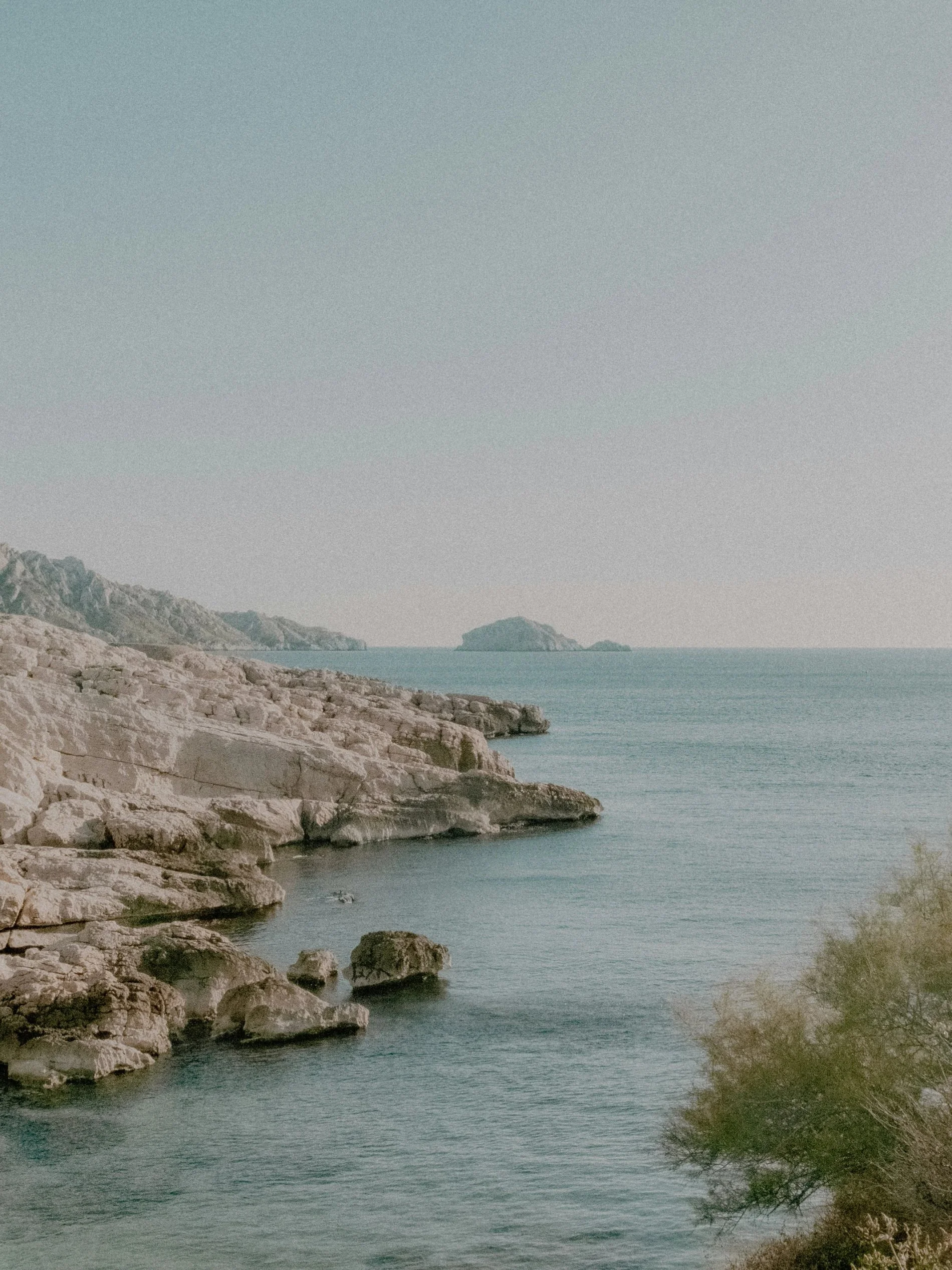
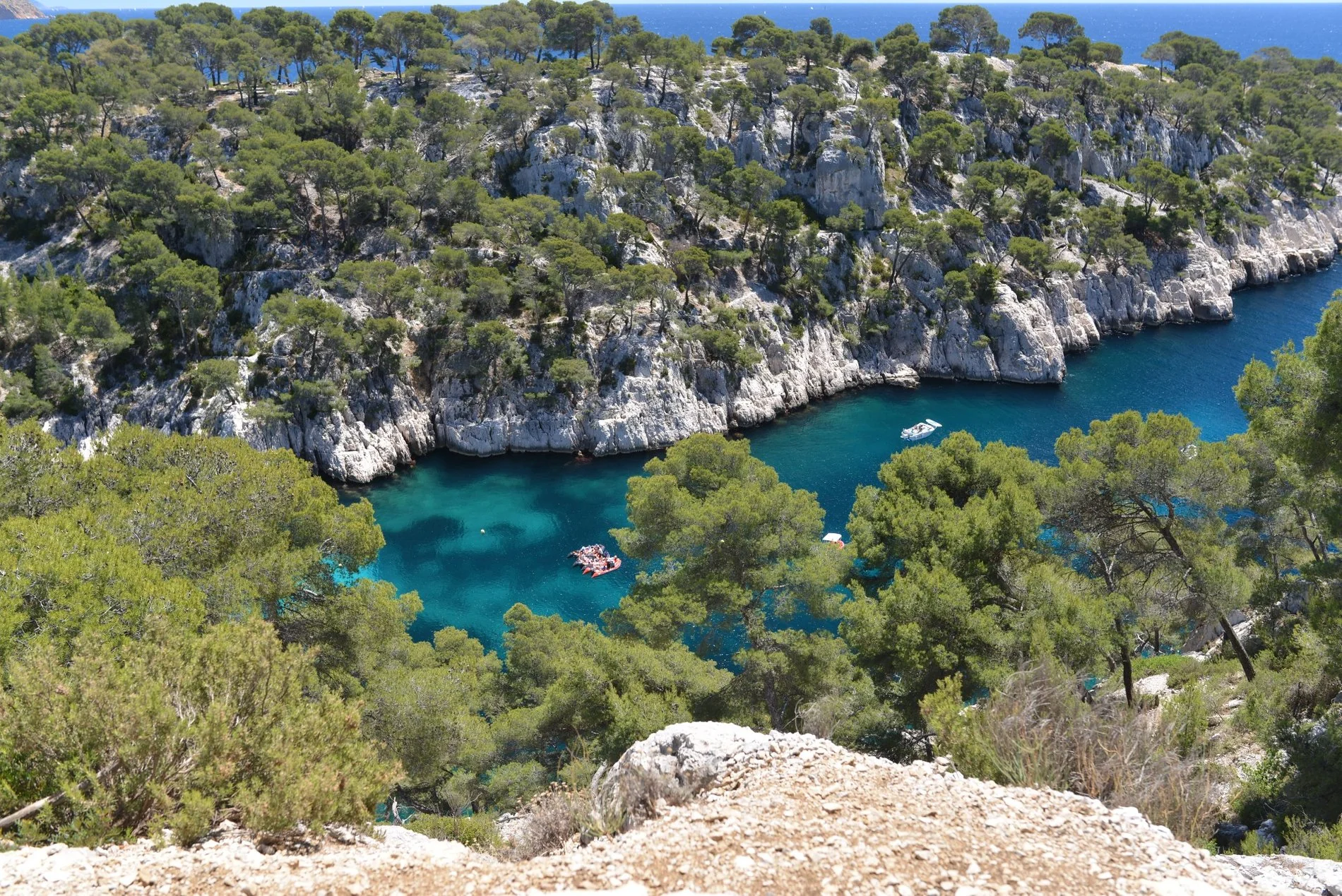
Marseille is probably the only major city in France with a protected natural area at its gates. Between white cliffs, turquoise coves and islands offshore, the natural beauty is only minutes from town, with stunning landscapes for enjoying nature in every direction.
How to discover the calanques of Marseille?
The Calanques National Park stretches between the city and the Mediterranean, its cliffs plunging into the clear sea. There are several ways to explore the coves, depending on your energy.
- On foot: Sugiton, reached from the Luminy campus, is the easiest for a first discovery. En-Vau, more demanding, rewards seasoned walkers.
- By boat: a cruise from the harbor combines sightseeing with a swim, the most comfortable option and ideal for families.
- By kayak or diving: to explore Sormiou, Morgiou and the seabed.
- Good to know: access is restricted in summer because of fire risk. Check the official information the day before, set off early and bring water and good shoes.
Which beaches to choose in Marseille?
The beaches are never far, from wide family stretches to hidden coves: the Amista is the ideal seaside hotel in Marseille to enjoy the coast.
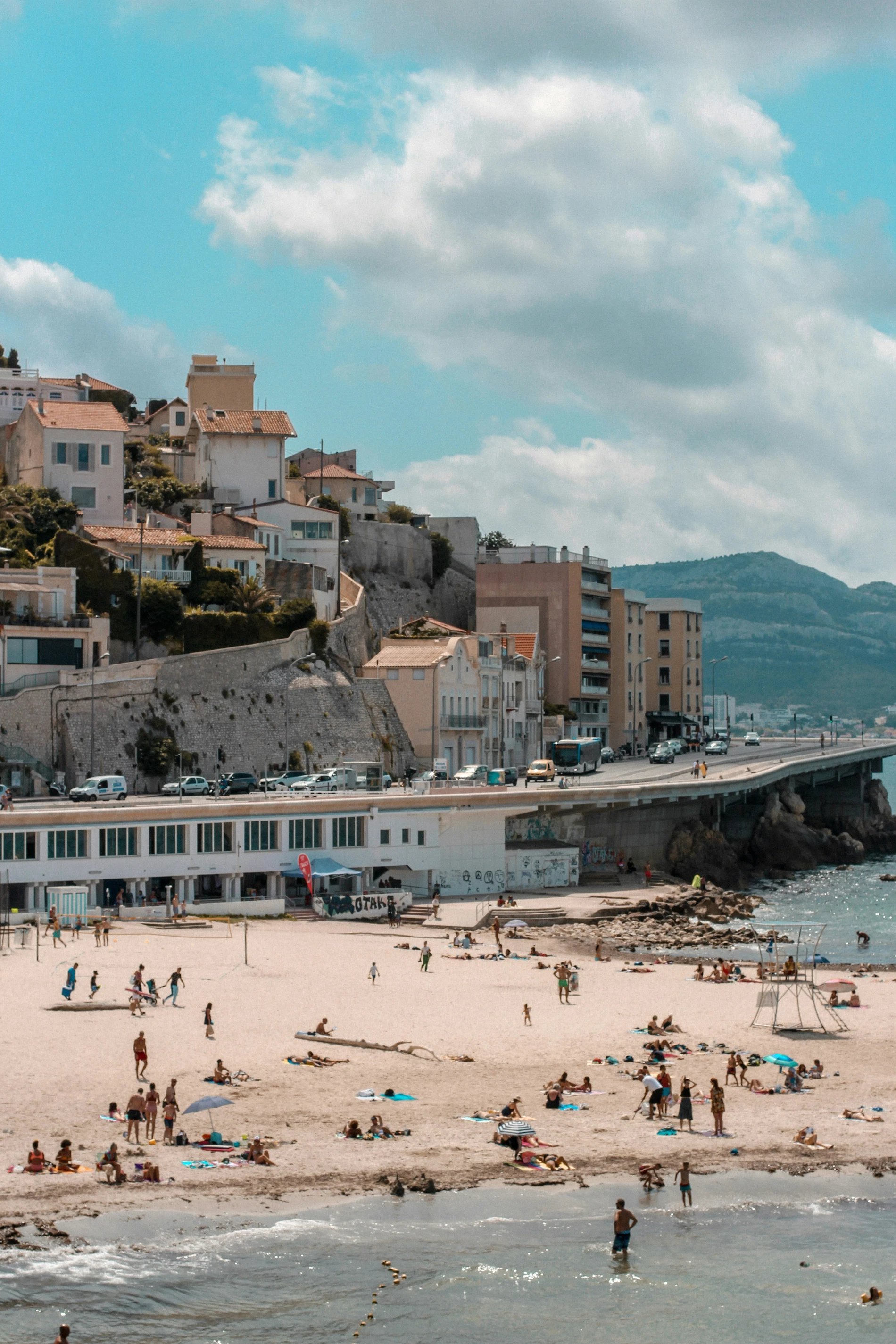
- The Prado shoreline: landscaped and ideal for families.
- Pointe Rouge and Les Catalans: for a quick swim near the city.
- Vallon des Auffes: a tiny, postcard fishing village tucked into the stunning coastal scenery.
- The Corniche Kennedy: one of the finest coastal roads, perfect for beautiful sunsets facing the islands.
What to do on the Frioul Islands and Château d'If?
Offshore, the archipelago is twenty minutes away by a small ferry from the harbour. Half a day is enough to enjoy this sea escape.
- Château d'If: the fortress made famous by Alexandre Dumas and his Count of Monte Cristo, worth visiting for its history and its view over the bay.
- The Frioul Islands: wild coves and natural trails, perfect for a walk in the open air.
- An eco-friendly cruise with Eco Calanques: a boat tour from Marseille aboard a hybrid electric vessel, with a preferential rate when you book at our reception.
Around Marseille: Where to Go on a Day Trip?
Beyond the city, the whole Provence-Alpes-Côte d'Azur region is open to discovery in the south of France. From the sea to hilltop villages, here are the best day trips and activities to admire another side of the territory.
- Cassis: forty-five minutes away, a picturesque village with calanques and a renowned vineyard for a wine tour by the sea.
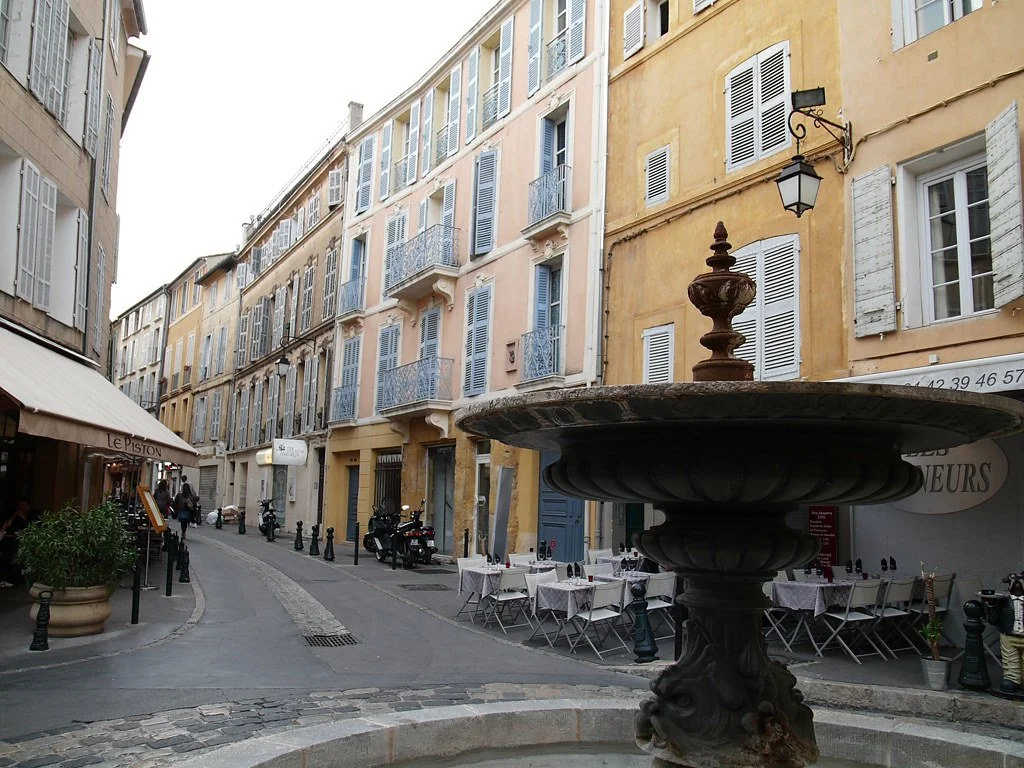
- Aix-en-Provence: the former regional capital, with its plane-shaded avenues, fountains and refined atmosphere.
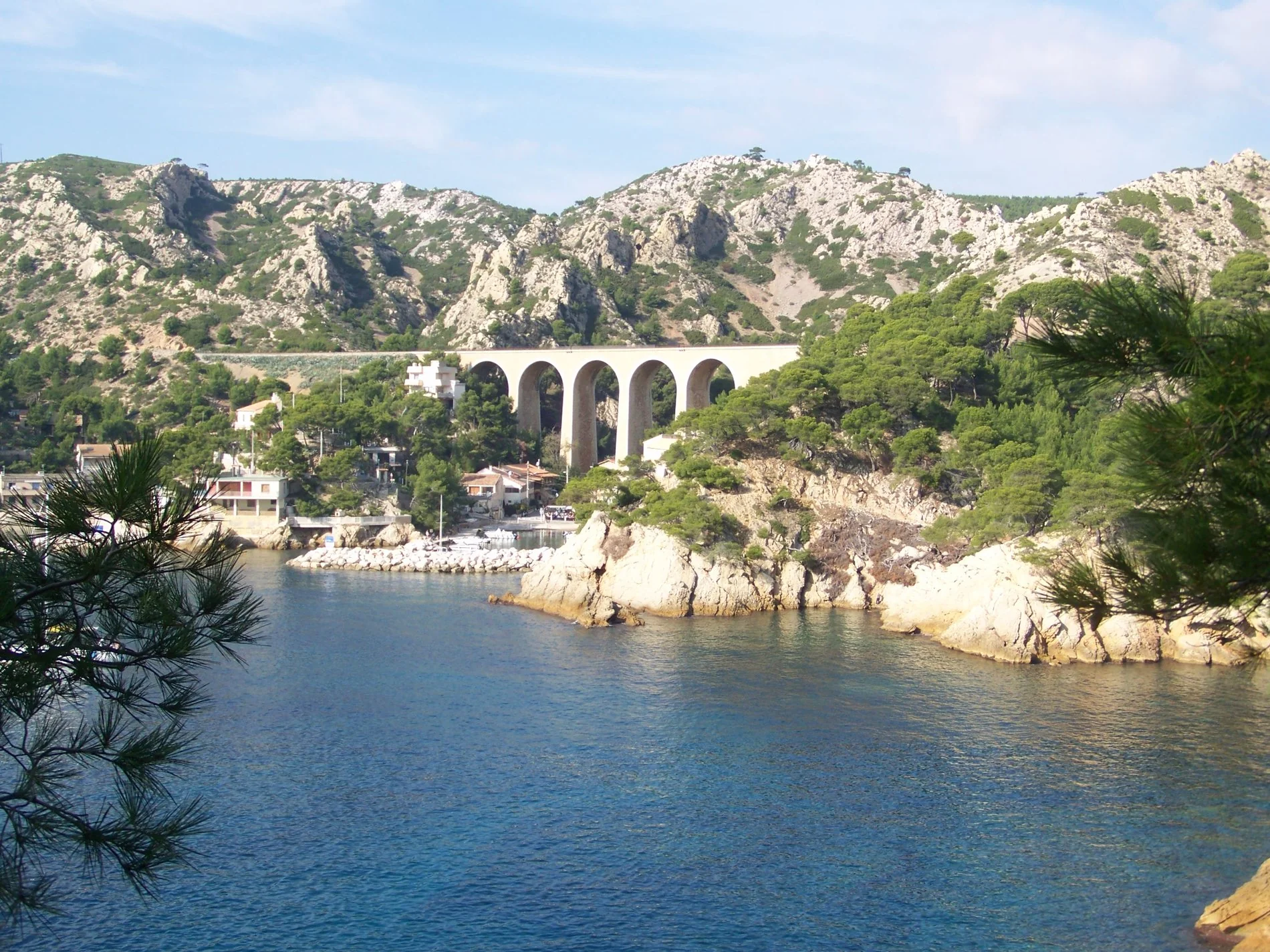
- The Côte Bleue: small fishing villages and quiet coves, reached by a scenic train line along the coast.
- Arles and the Camargue: Roman heritage, horses, pink flamingos and salt flats for a change of scenery.
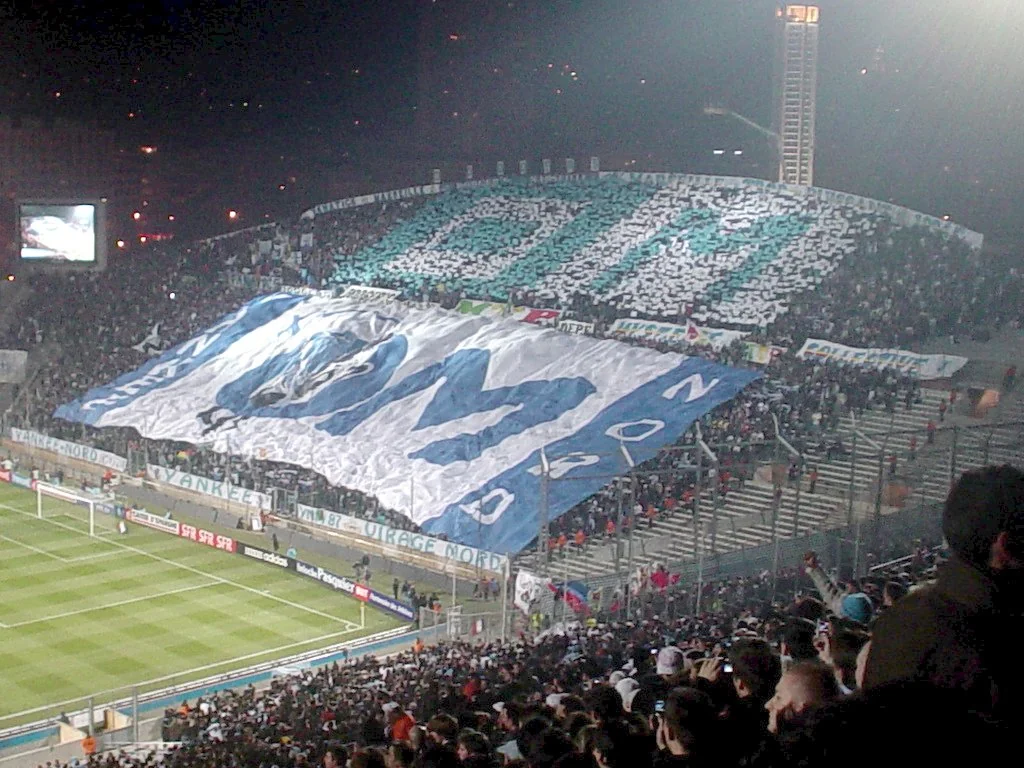
- The Stade Vélodrome: to feel a match night with Olympique de Marseille, one of the most intense atmospheres in Europe.
- Wine estates near Cassis or Bandol: for a wine tasting among the vines, facing the sea.
The city also lends itself to themed sightseeing: a walking tour in the footsteps of Marcel Pagnol, a food tour of local cuisine, or a guided tour of the historic heart. To plan your list of things to do, the Marseille tourist office offers maps, practical tips and skip-the-line tickets.
Markets, Shopping and Culture: Where to Feel the City?
Beyond the great monuments, Marseille reveals itself through its markets and its cultural calendar, where you meet everyday southern life and its lively atmosphere.
Where to shop and find local produce?
- The Noailles market: spices, olives, sun-ripened fruit and fresh produce.
- La Plaine: one of the liveliest squares in town, with stalls several times a week.
- Rue Saint-Ferréol: the main shopping street of the quarter.
- Notre-Dame du Mont: designers, record shops and independent boutiques for a unique find.
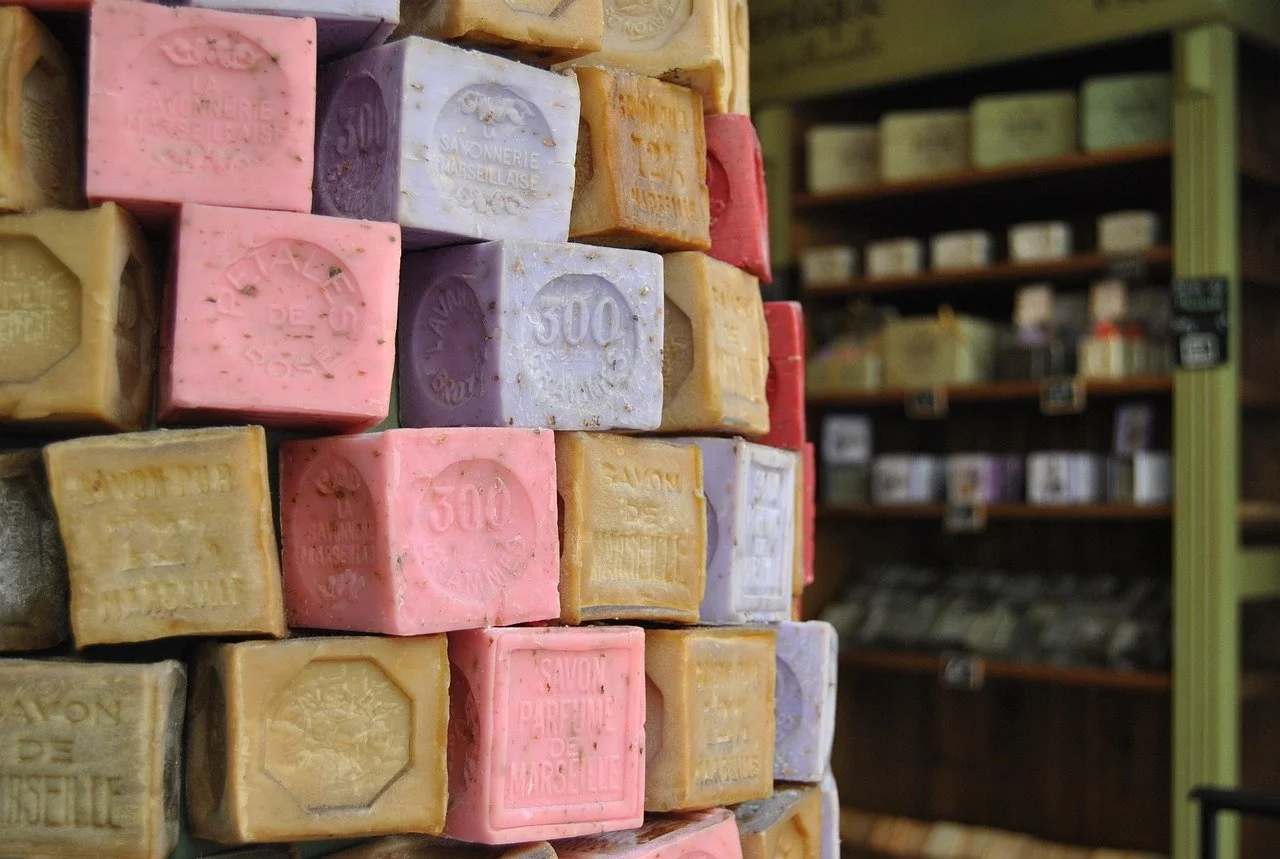
- The soap shops: to bring home a genuine savon de Marseille.
What's on through the year?
- Exhibitions: the Vieille Charité and the city's galleries refresh their shows regularly.
- Concerts and festivals: summer multiplies the open-air events.
- Sport: match nights at the Vélodrome set the rhythm of the calendar.
- Sundays: the quays and their terraces take on a village-fair feel, a moment to experience at least once.
Before you go, check the tourist office posts and the Instagram accounts dedicated to the city to see what's on.
Where to Stay: The Amista, a Charming Hotel in the Heart of Marseille
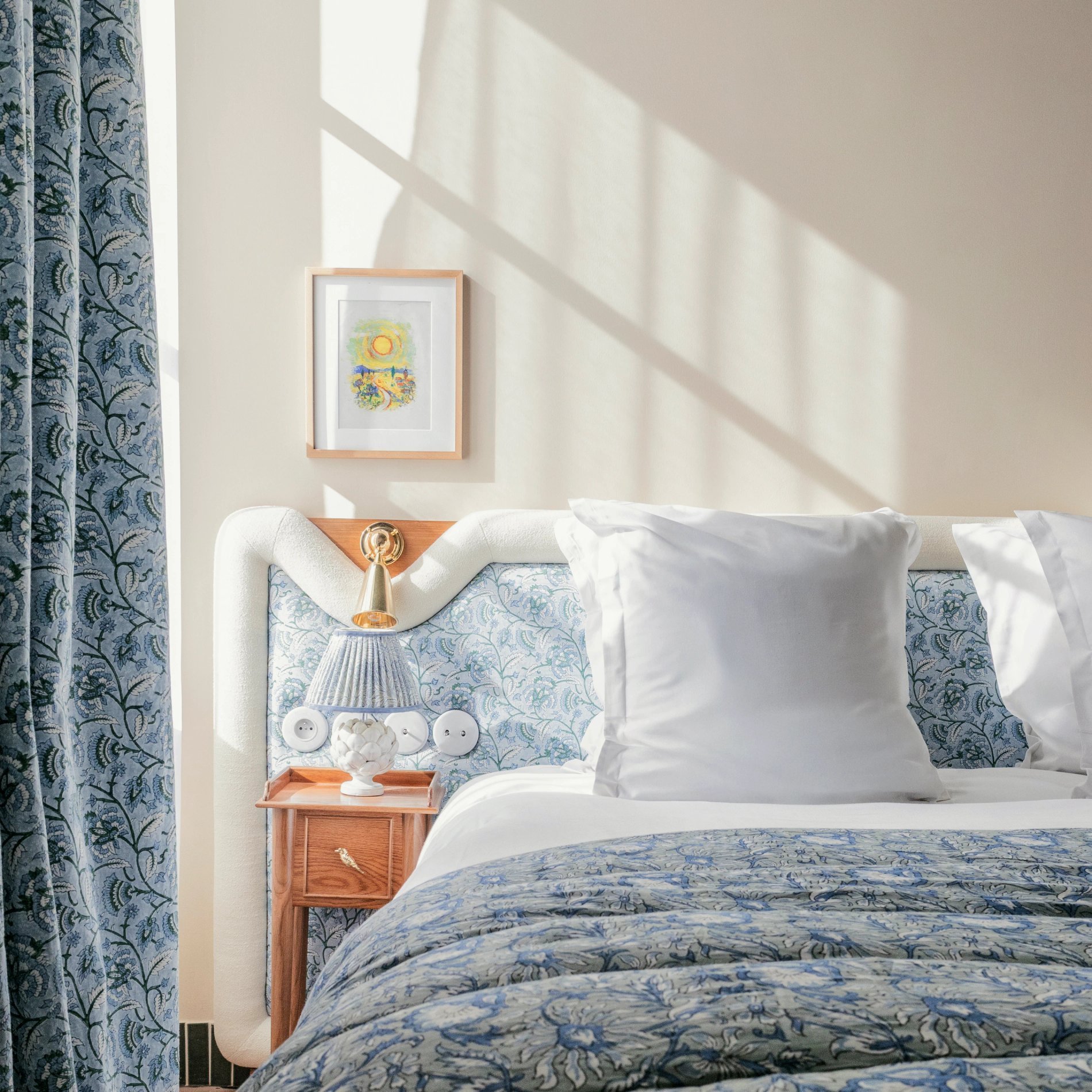
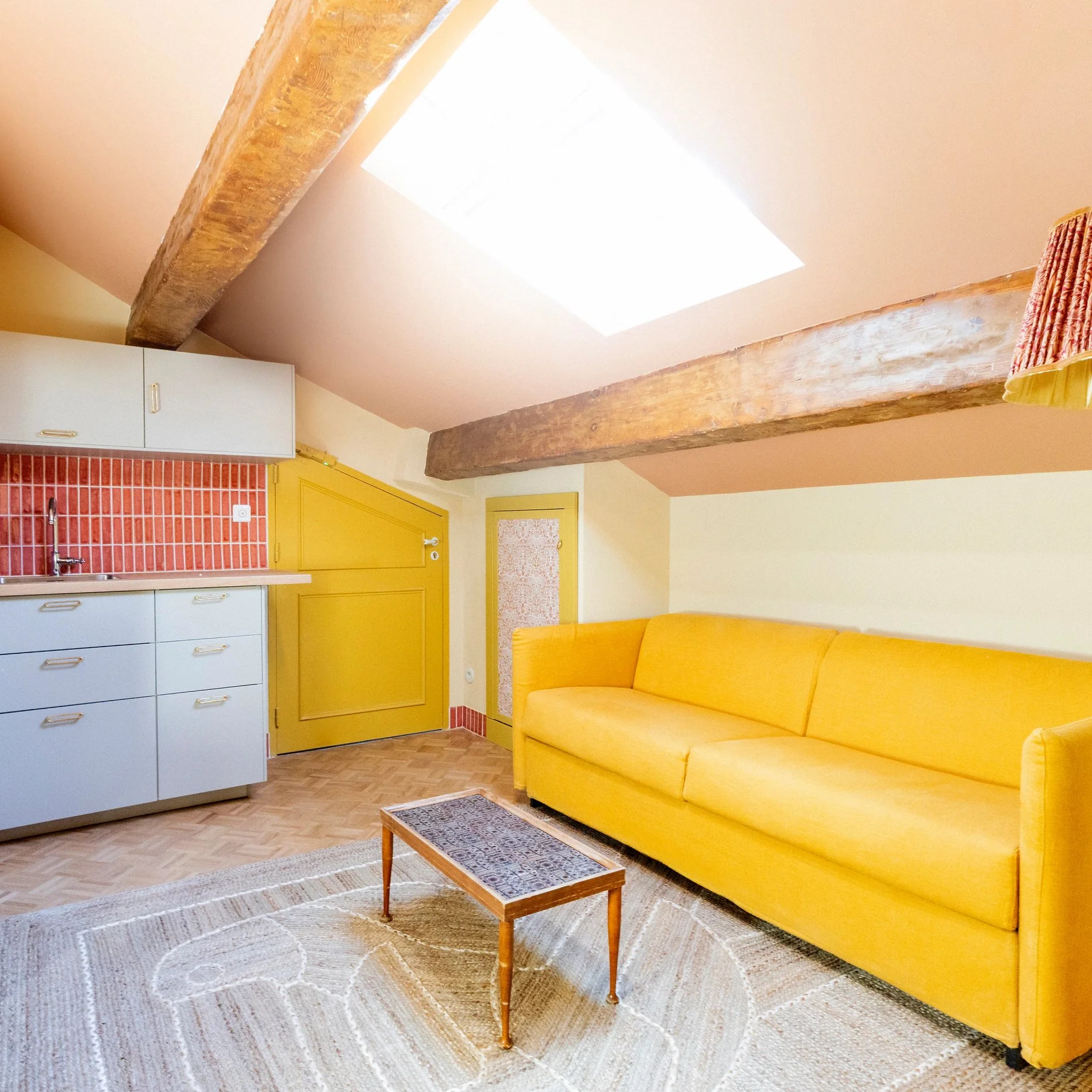
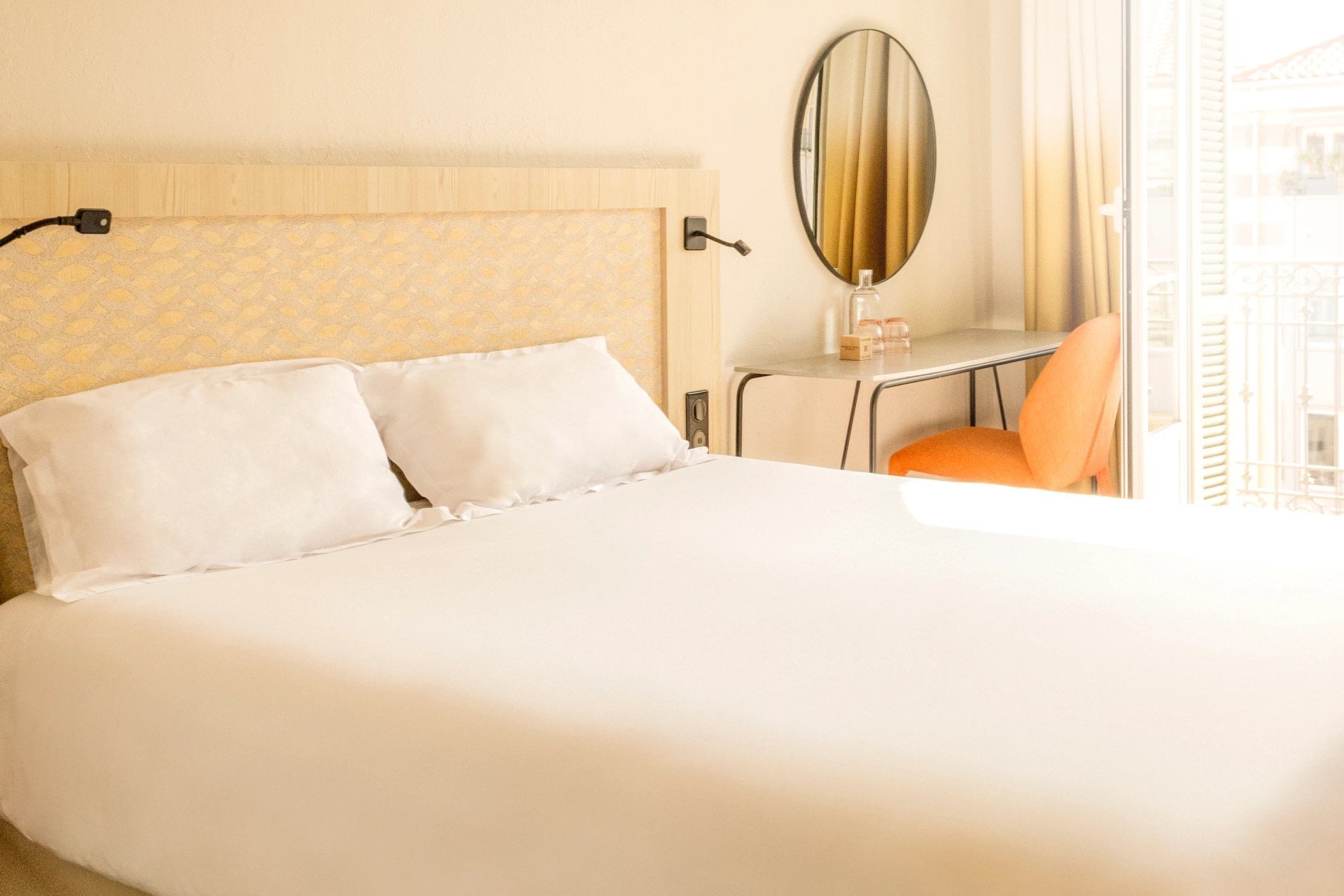
To make the most of everything there is to do, where you sleep changes everything. Among the many hotels in Marseille, few offer such a location. At 2 rue des Récolettes, in the 1st arrondissement, the Amista holds a rare spot in the heart of the city, minutes on foot from the harbour, Rue Saint-Ferréol and La Canebière. This charming house, a boutique hotel set in a former Marseille building, blends the character of the place with contemporary design by Dorothée Delaye. The 3-star property has 24 air-conditioned rooms and suites, a southern-inspired restaurant, a bar with a local feel and a 24/7 reception.
Which room category to choose?
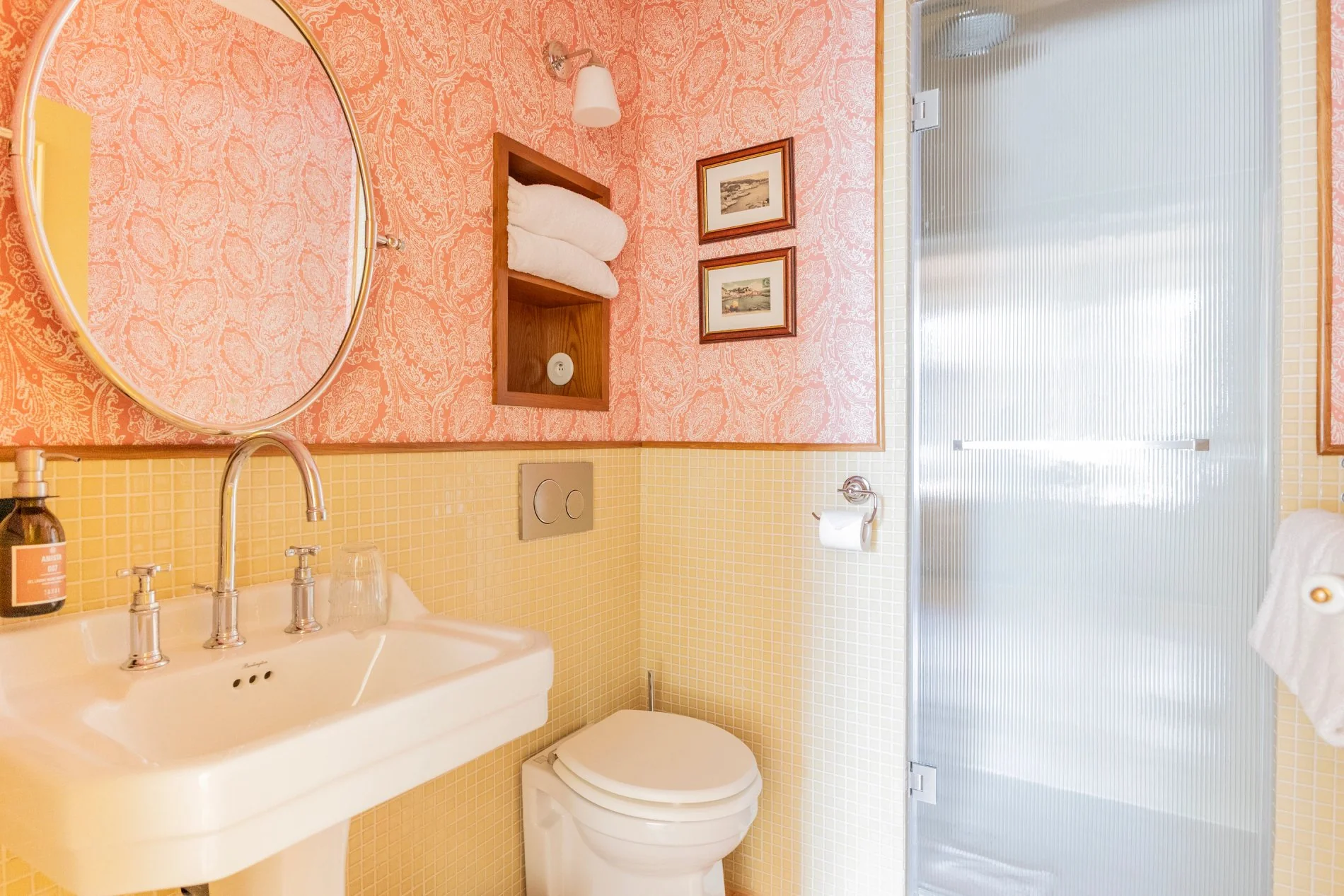
Depending on the size of your group, you will find a room suited to your needs, from the solo traveller to the large family. Every category comes with Palace bedding, air conditioning, free wifi, a flat-screen TV and a well-appointed private bathroom.
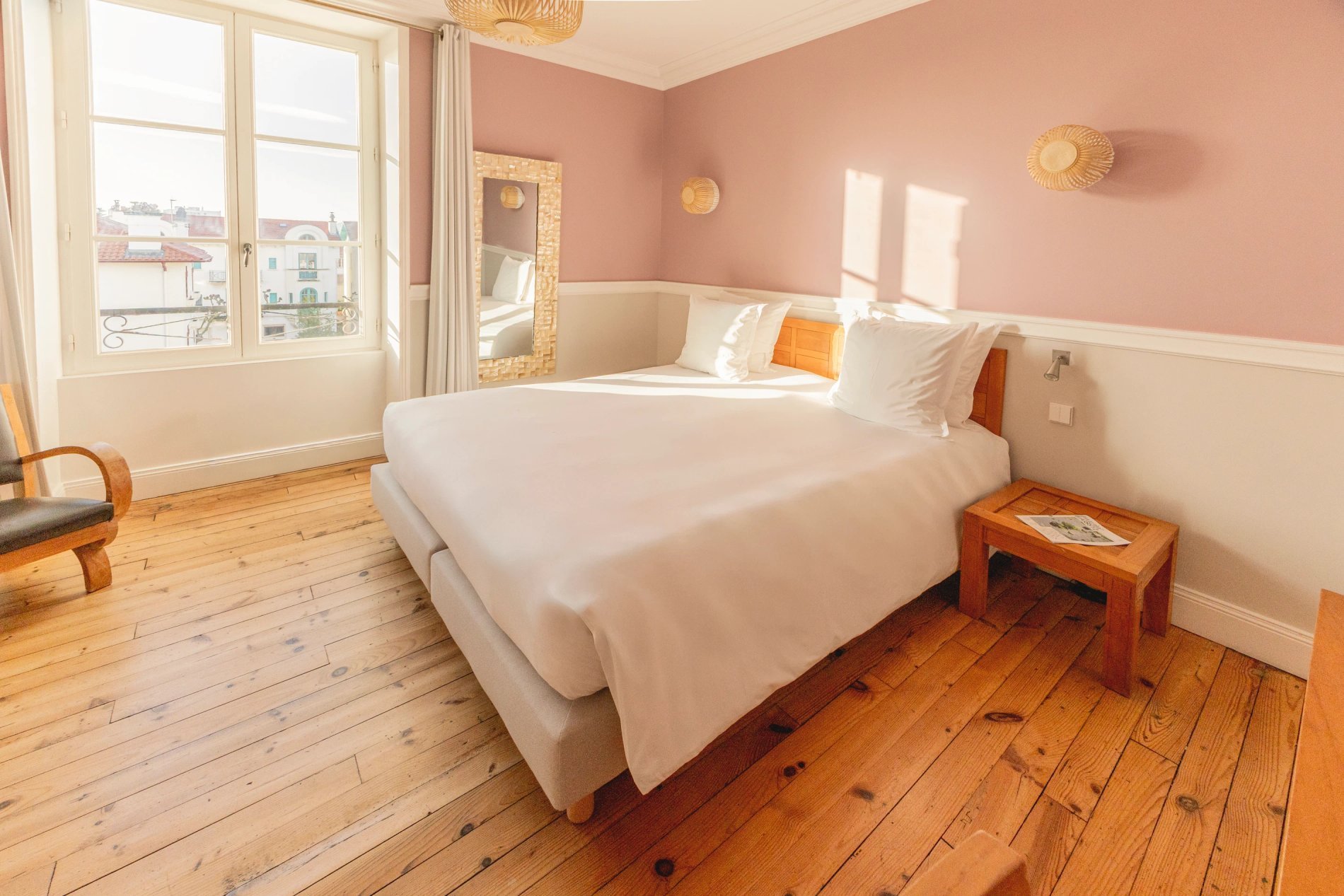
- Comfort Room: ideal for a short break or a solo traveller, at the best value.
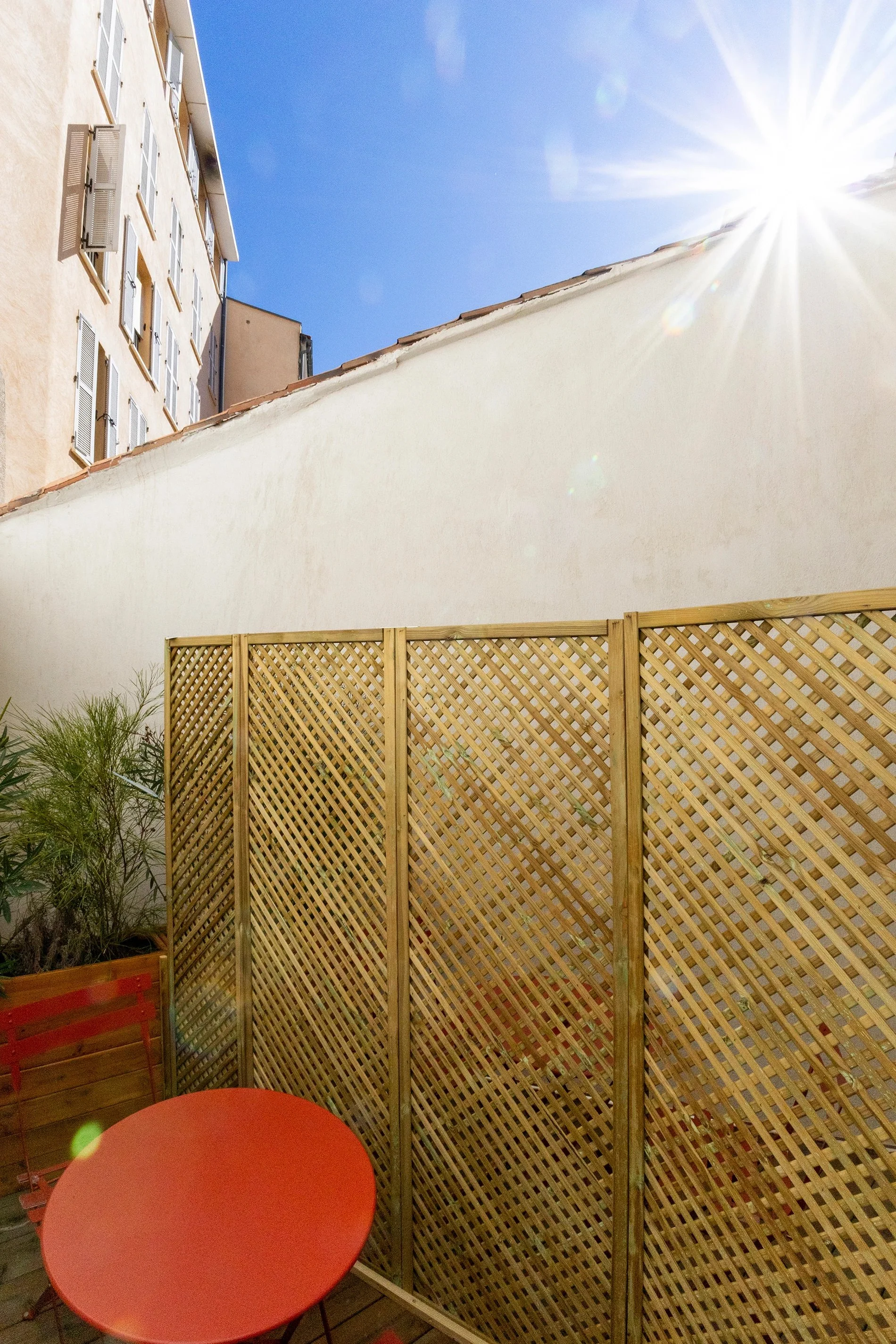
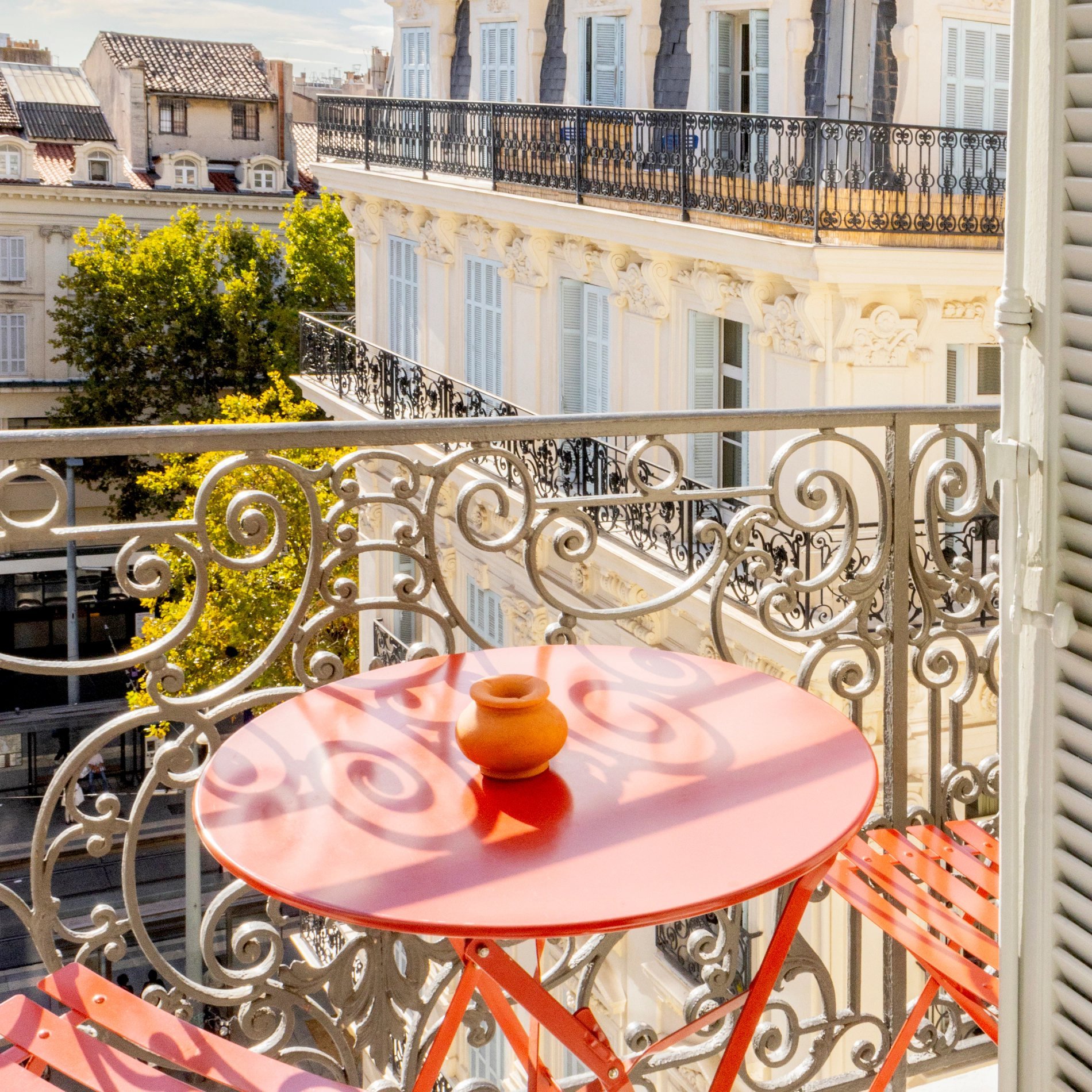
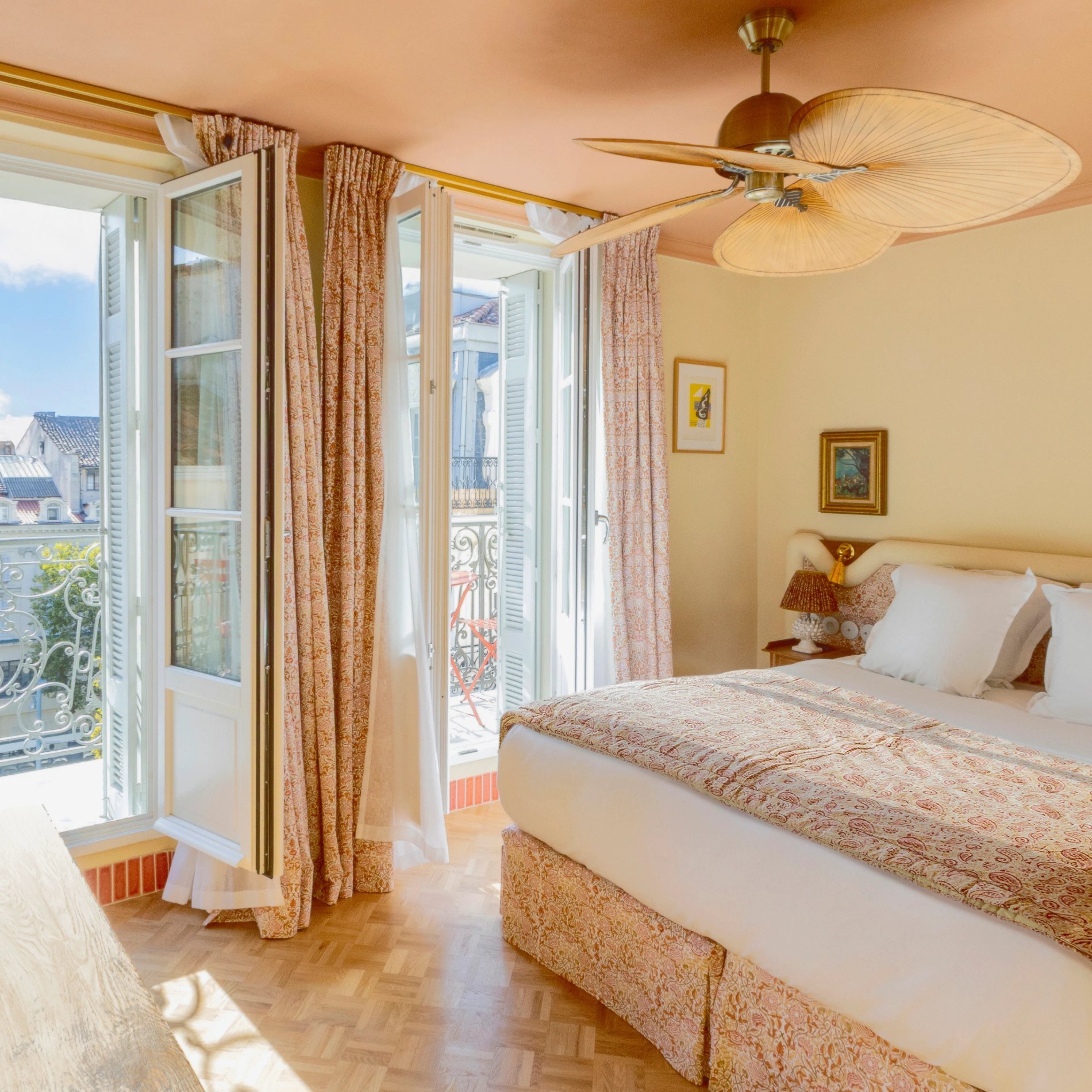
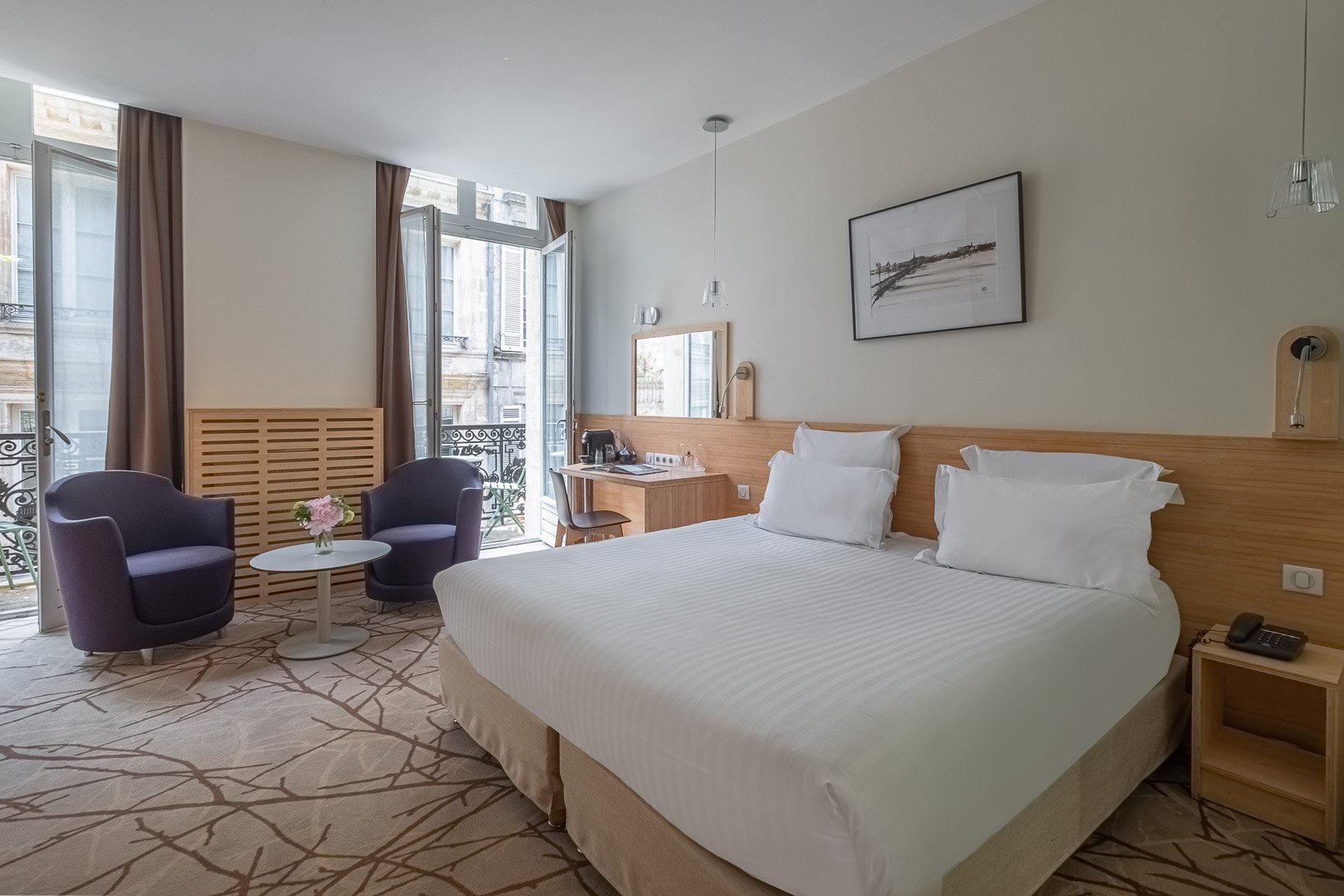
- Superior Balcony and Deluxe Balcony Rooms: for the outdoors, sometimes facing the rooftops.
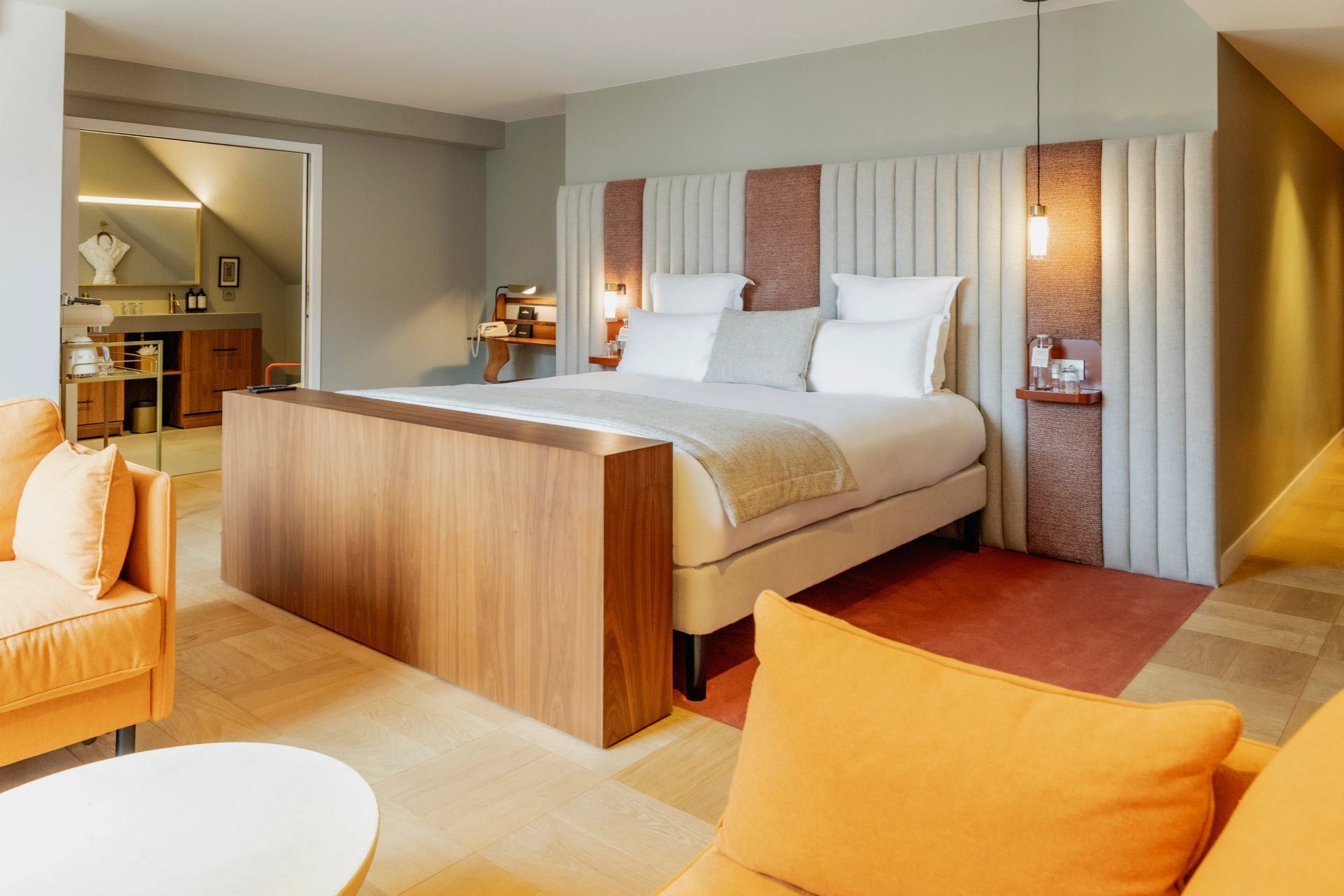
- Mansard Junior Suite: a more generous space under the rooftops of Marseille.
- Connecting rooms: for families of up to six, a rare asset for a 3-star hotel.
Good to know: for a romantic break, the Deluxe Balcony Room is the couples' favourite, with its private space and view over the city at sunset.
What services does the hotel offer?
The reception welcomes guests around the clock and offers a genuine concierge service in English.
- Tailored advice: the loveliest walks, a city map, hidden addresses, so you can search no further.
- Bookings: a table in a typical restaurant, an airport transfer, a sea trip to the coves.
- Ticketing: museum and exhibition tickets can be arranged directly at reception.
- Always reachable: our team replies by email and helps you plan ahead, just contact us before you arrive.
How many days to spend in Marseille?
One day: the essentials, from the Old Port to Le Panier and the Bonne Mère.
Two to three days: add the coves, the coast and a museum such as the Grotte Cosquer.
Four to five days: add a day trip to Cassis, Aix-en-Provence or the Frioul Islands, without rushing.
Getting around and when to come?
In town: the best way to get around is on foot, with public transport (metro, tram and sea shuttles) for longer hops. Marseille is also a busy cruise port, so the seafront can be lively on call days.
From the Amista: the Marseille Saint-Charles train station is under ten minutes on foot. Direct trains reach Lyon, Nice and Paris Gare de Lyon in a few hours, handy if you continue your travel along the French Riviera or want to visit Paris and its charming addresses. Marseille Provence airport is about 48 minutes away via the dedicated shuttle.
Best season: from spring to autumn, when the light is generous and the sea swimmable.
Book ahead: the Grotte Cosquer and sea trips to the coves, often in high demand in peak periods.
What to do in Marseille when it rains?
Rain is rare, but the city has plenty of activities under cover.
The Grotte Cosquer and the History Museum: two cultural visits ideal on a grey day.
La Vieille Charité: museums and exhibitions in a preserved baroque setting.
Rue Saint-Ferréol: shopping in the dry, right in town.
A long lunch at Louison: southern cuisine and a view of the quays as the shower passes.
A final tip: leave room to wander with no plan, because it is often at the corner of a street, before an ochre facade or a shady little square, that Marseille reveals itself best.
Where to Eat in Marseille: Louison Restaurant
Visiting Marseille also means sitting down to eat. On the ground floor of the Amista, the Louison restaurant and bar celebrates Mediterranean cuisine in a space with local notes, with a view of the harbour and the rooftops. Open seven days a week, it welcomes locals and guests alike, where you enjoy fresh seafood and southern flavours. It is one of the most inviting restaurants in Marseille for a relaxed meal.
What's on the Louison menu?
The menu changes with the seasons and the catch. The card makes the most of local produce and the flavours of the South.
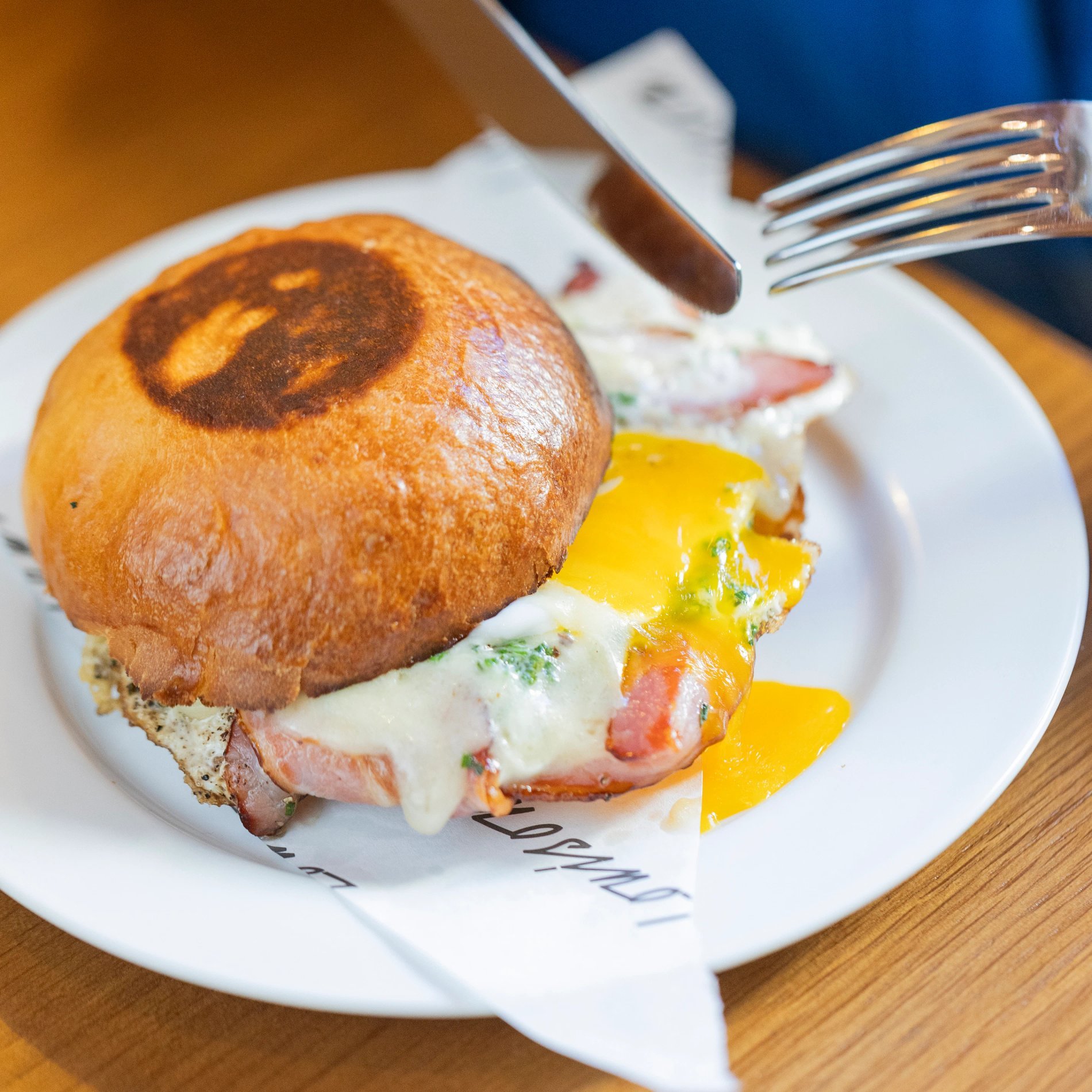
- At breakfast: a café crème on the terrace, fresh pastries and seasonal fruit.
- Homemade panisses: chickpea fritters, a Marseille tradition.
- Sea bass on the plancha: grilled to order, a southern signature.
- Cream puffs: the house's sweet signature.
- Wine list: a selection from Provence and Cassis to pair with local specialities.
As the card evolves, it is best to ask for the day's suggestions on site or check the latest version directly with the restaurant.
The Louison terrace, popular with travellers and locals alike, is the perfect place for a sunny lunch, a Sunday brunch, an aperitif at the bar or an evening dinner, steps from the quay.
Marseille's Art of Living
What sets Marseille apart is the way it blends the open sea and the working-class quarter, ancient heritage and contemporary creation. The town is lived as much as it is visited: a pastis shared on a terrace, a game of petanque under the plane trees, the scent of the Noailles stalls at first light.
The Amista embraces this spirit with a firm commitment to responsible tourism:
- Around 85% local suppliers, to support the regional economy.
- Bloom: support for ocean protection.
- Tree6clope: action against cigarette-butt pollution.
- Fondation Comyces: nights offered to parents of hospitalised children.
Recognised by the Clef Verte (Green Key) label, this commitment makes this French house an increasingly sought-after address. Choosing the Amista means a stay that is both beautiful and conscious, where every detail extends a certain Marseille art of living.
Book Your Stay to Explore Marseille
From the climb to the Bonne Mère to the turquoise coves of the calanques, from the lanes of Le Panier to the Louison terrace, knowing what to see in Marseille has never been easier when you stay in the right place. The Amista puts you in the heart of the city, steps from the Vieux-Port, ready to explore at your own pace. By booking directly on the official website, you get the best available rate, with no middleman.
Frequently Asked Questions: What to See in Marseille
What to see in Marseille in one day?
In one day, start with the basilica for the view, walk down to the Old Port, wander through Le Panier and its museums, then finish on La Canebière or at La Plaine. It is the ideal itinerary to grasp the essentials of the city on foot.
What are the must-see places in Marseille?
The must-see places in Marseille are the Vieux-Port, the basilica Notre-Dame de la Garde, Le Panier, the MuCEM, the Palais Longchamp, the Calanques National Park and the Grotte Cosquer. The Frioul Islands and Château d'If complete a longer visit perfectly.
What to see in Marseille with family?
Marseille is great for families: a cruise to the coves, the landscaped Prado sands, a fun visit to the Grotte Cosquer, a crossing to Château d'If or the tourist train up to the Bonne Mère. The Amista, a family hotel in Marseille, offers connecting rooms for stays of up to six.
What local food should you try in Marseille?
Bouillabaisse is the star dish, best enjoyed around the harbour. Also try panisses, the chickpea fritters, navettes scented with orange blossom and the wines of Cassis. At the Louison restaurant, you can enjoy fresh seafood and local cuisine that puts these flavours centre stage all year round.
Where to stay to visit Marseille easily?
To visit on foot, the 1st arrondissement around the harbour is ideal. The Amista, a charming hotel on Rue des Récolettes, places guests minutes from the main monuments, the museums and Saint-Charles station, a perfect base to enjoy the city without a car.
When is the best time to visit Marseille?
The best season to visit Marseille runs from April to October, with sunny weather and a pleasant sea. Spring and early autumn offer mild days and smaller crowds. In summer, book the calanques and the Grotte Cosquer ahead, as they are often in high demand.